Why Tractor Paint Fades
Paint deterioration typically comes from years of exposure to UV radiation, rain, humidity, oxidation, fertilizer residue, chemical exposure, outdoor storage, dust and contamination. Northern Missouri weather creates ideal conditions for oxidation and fading. The combination of sun, moisture, and seasonal weather changes slowly breaks down the paint surface.
What Is Oxidation?
Oxidation occurs when the paint begins breaking down due to environmental exposure. Signs of oxidation include chalky appearance, dull finish, loss of gloss, rough texture, color fading, and difficulty cleaning. Many owners notice oxidation first on tractor hoods, roof panels, fenders, fuel tanks, and side panels. These areas typically receive the most direct sunlight.
What Does Oxidation Look Like?
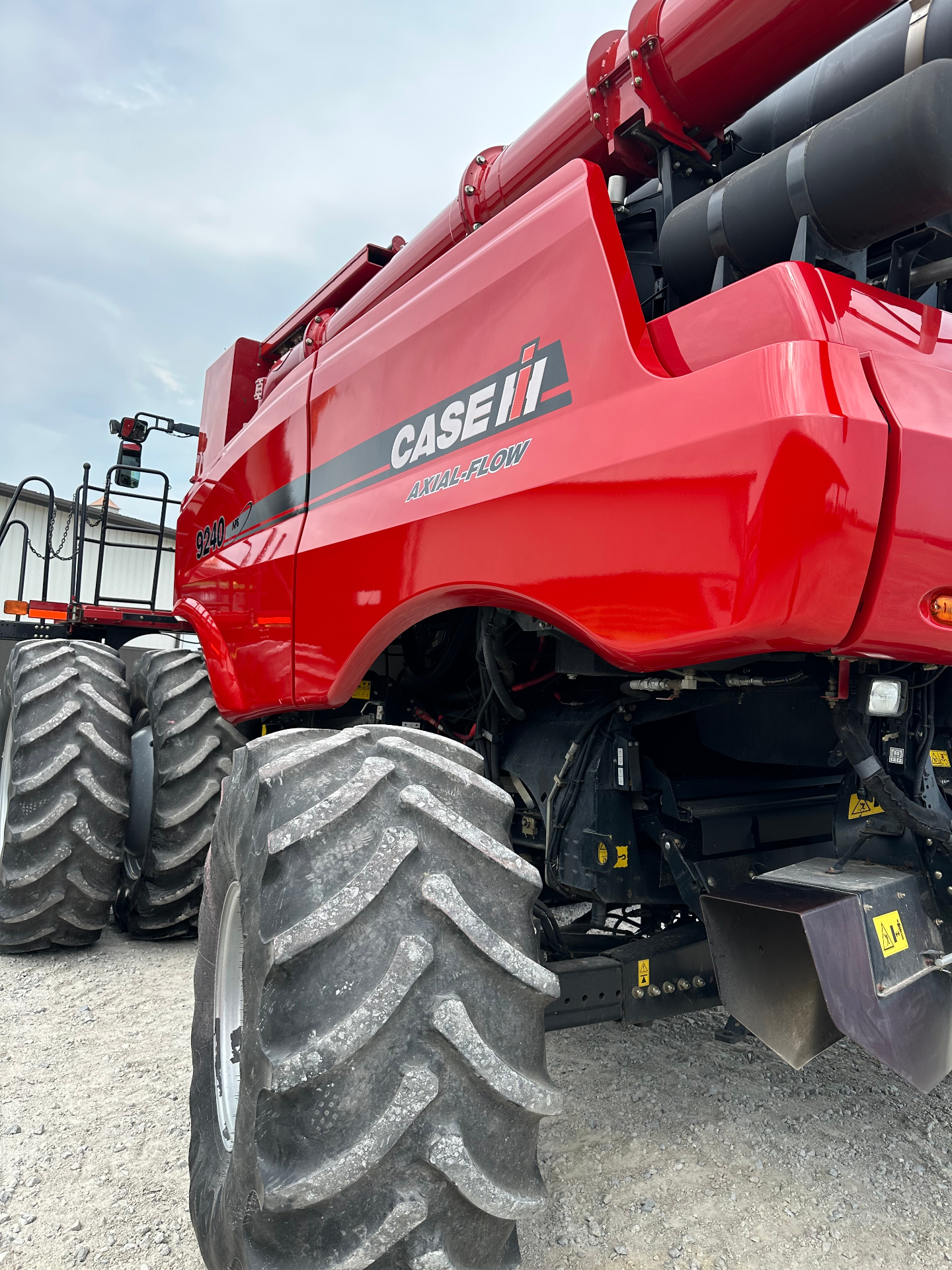
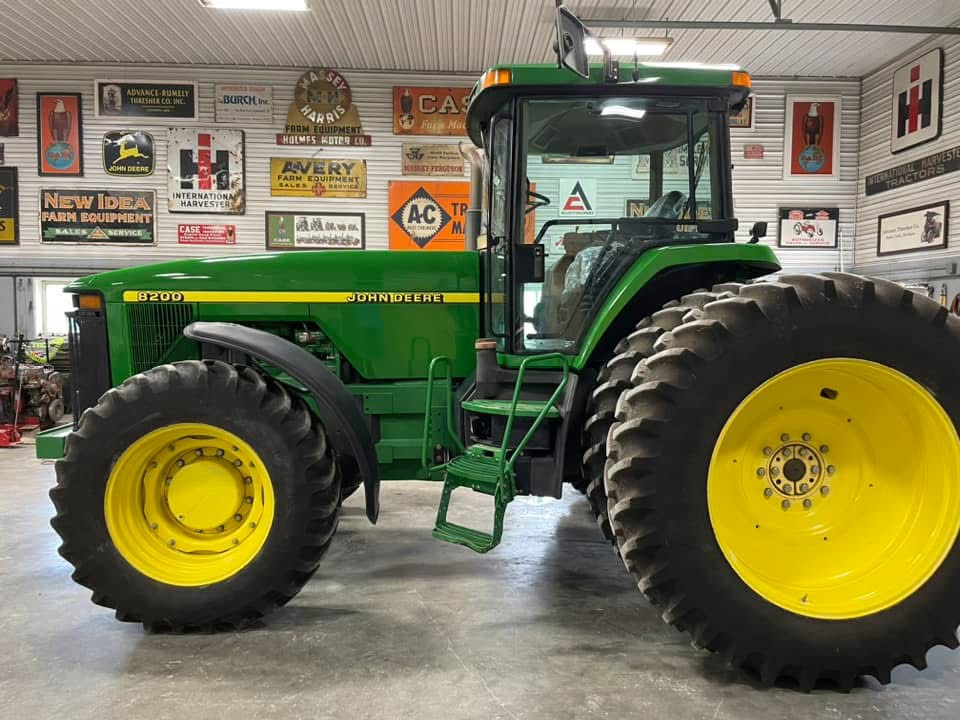
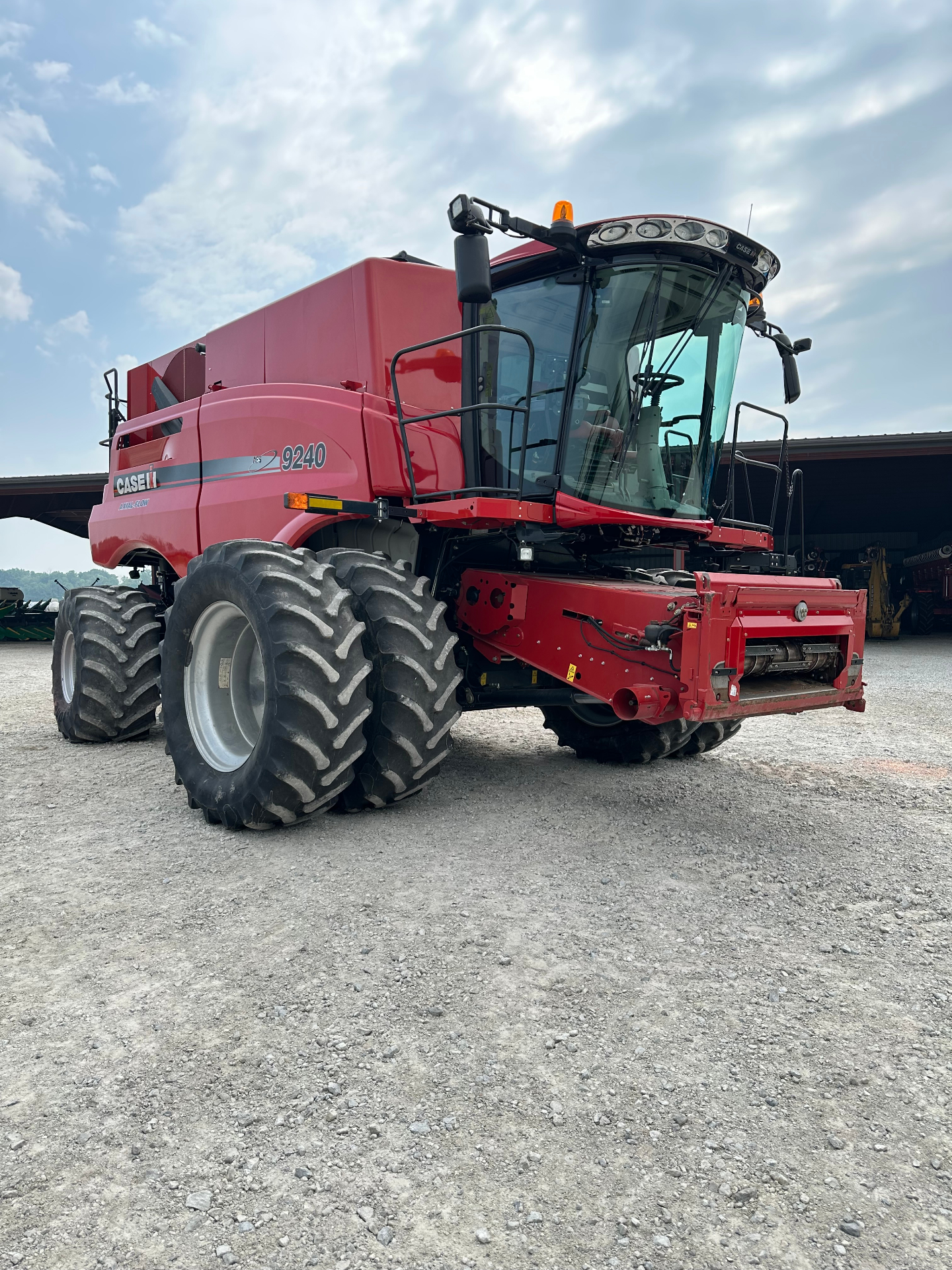
Red paint is one of the most common examples. Bright red gradually becomes dull red, then pink, then chalky pink. Many Case IH tractors show this type of fading after years of exposure. Green paint on John Deere equipment often shows loss of depth, a gray-green appearance, and reduced gloss. The tractor may still function perfectly but no longer looks like it once did.
Can Oxidation Be Removed?
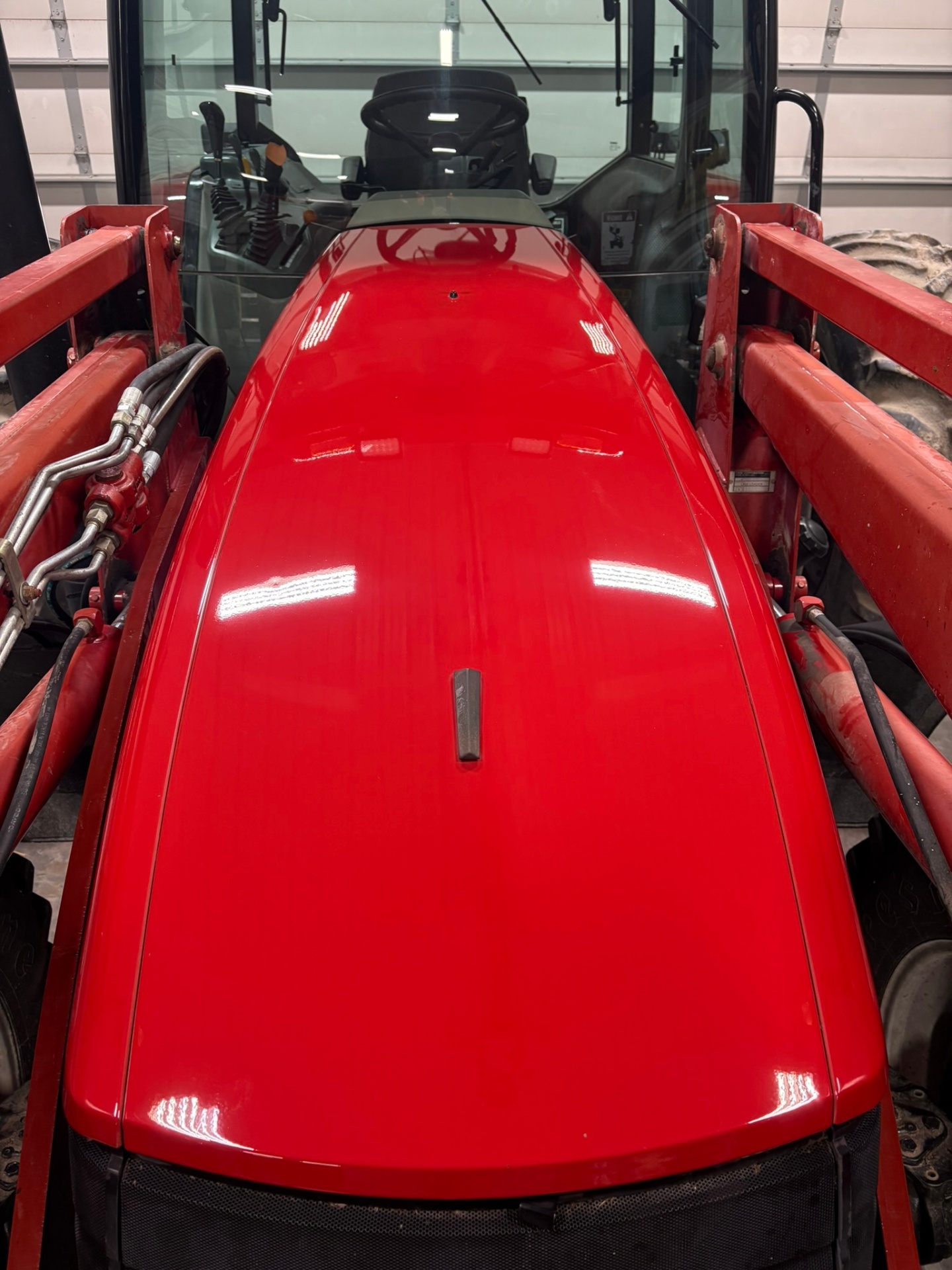
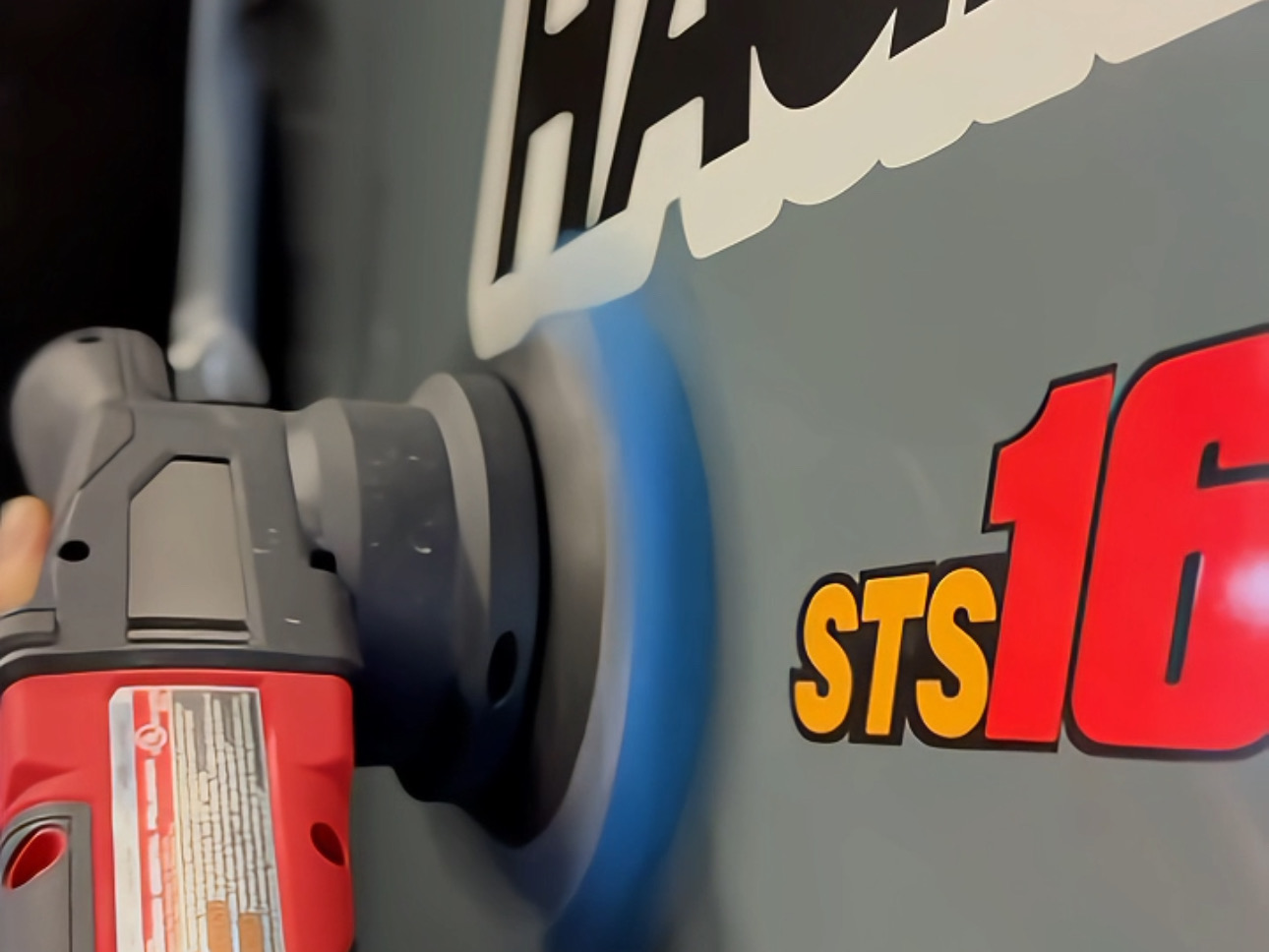
Often, yes. The key factor is determining how much healthy paint remains. Many tractors still have enough material left to restore a surprising amount of color and gloss. Professional polishing removes the damaged outer layer and exposes healthier paint beneath. The results can be dramatic.
When Restoration Is Possible
Restoration is usually possible when the clear coat remains intact, paint still contains healthy pigment, oxidation is moderate, surface damage has not reached bare metal, and paint still responds during test polishing. Many tractors fall into this category.
When A Repaint Is Necessary
Sometimes restoration is not enough. A repaint may be required if the clear coat has completely failed, primer is exposed, bare metal is visible, severe corrosion is present, or pigment has been permanently lost. At Pro Ag Polishing we believe in honest recommendations. If a tractor truly needs paint, we'll tell you. If it can be restored, we'll tell you that too.
Our Restoration Process
Step 1: Deep wash and decontamination to remove dirt, grime, oils, and contaminants. Step 2: Surface inspection to evaluate paint condition and oxidation levels. Step 3: Oxidation removal to eliminate damaged surface material. Step 4: Polishing to restore gloss and color. Step 5: Final inspection to ensure maximum improvement has been achieved. Step 6: ROAR Ceramic Coating protection to guard the restored finish against future deterioration.
Why Protect Restored Paint?
Restoration without protection means the damage cycle starts again. The same UV exposure, weather, and oxidation that caused the problem will continue attacking the paint. A professionally installed ROAR Ceramic Coating helps preserve the results and reduce future deterioration. Benefits include UV protection, easier washing, improved gloss, reduced oxidation, and long-term surface protection.
Reality Check
Most tractors don't need repainting. One of the biggest misconceptions in the agricultural world is that faded paint automatically means repainting. In many situations, polishing and restoration can provide tremendous improvement at a fraction of the cost of a repaint. The only way to know for sure is to evaluate the condition of the paint.
Get A Free Equipment Assessment
Not sure whether your tractor needs restoration, polishing, ceramic coating, or repainting? Send us photos. We'll review the condition and give you an honest assessment of what's possible. No pressure. No obligation. Call Case Chrisman at (660) 605-2011.