Your Equipment Is Constantly Under Attack
Most farm equipment spends its life in conditions that are extremely hard on painted surfaces. Unlike personal vehicles that spend much of their time parked in a garage, agricultural equipment is constantly exposed to sunlight, dust, fertilizer, herbicides, pesticides, mud, rain, humidity, debris, and outdoor storage.
Every season these conditions slowly attack paint, decals, plastics, and exterior surfaces. The damage may seem minor at first. Then one day the combine looks older. The grain cart is faded. The sprayer has lost its shine. The tractor no longer looks like the machine you purchased years ago.
Why Equipment Paint Deteriorates Faster Than Most Vehicles
Agricultural equipment lives a harder life than nearly any other painted asset. Longer sun exposure means more cumulative UV damage in a single season than most passenger cars see in a year. Outdoor storage means equipment is exposed to weather around the clock instead of being parked under cover. Chemical exposure from fertilizers, herbicides, and pesticides etches and stains paint in ways normal vehicles never face. Dust abrasion from field work scratches and dulls surfaces over time. Frequent pressure washing strips wax and degrades unprotected clear coat. Seasonal use means equipment often sits for months without being touched, with contaminants baking onto the surface. And high operating hours simply mean more time exposed to everything that damages paint. Combined, these conditions create accelerated paint deterioration that owners of regular vehicles rarely experience.
The Biggest Threat To Farm Equipment Is UV Exposure
Ultraviolet radiation is the single largest cause of paint deterioration on agricultural equipment. UV rays break down the resins and pigments inside the paint film, leading to color fading, loss of gloss, oxidation, decal deterioration, and even fading of plastic body panels and trim.
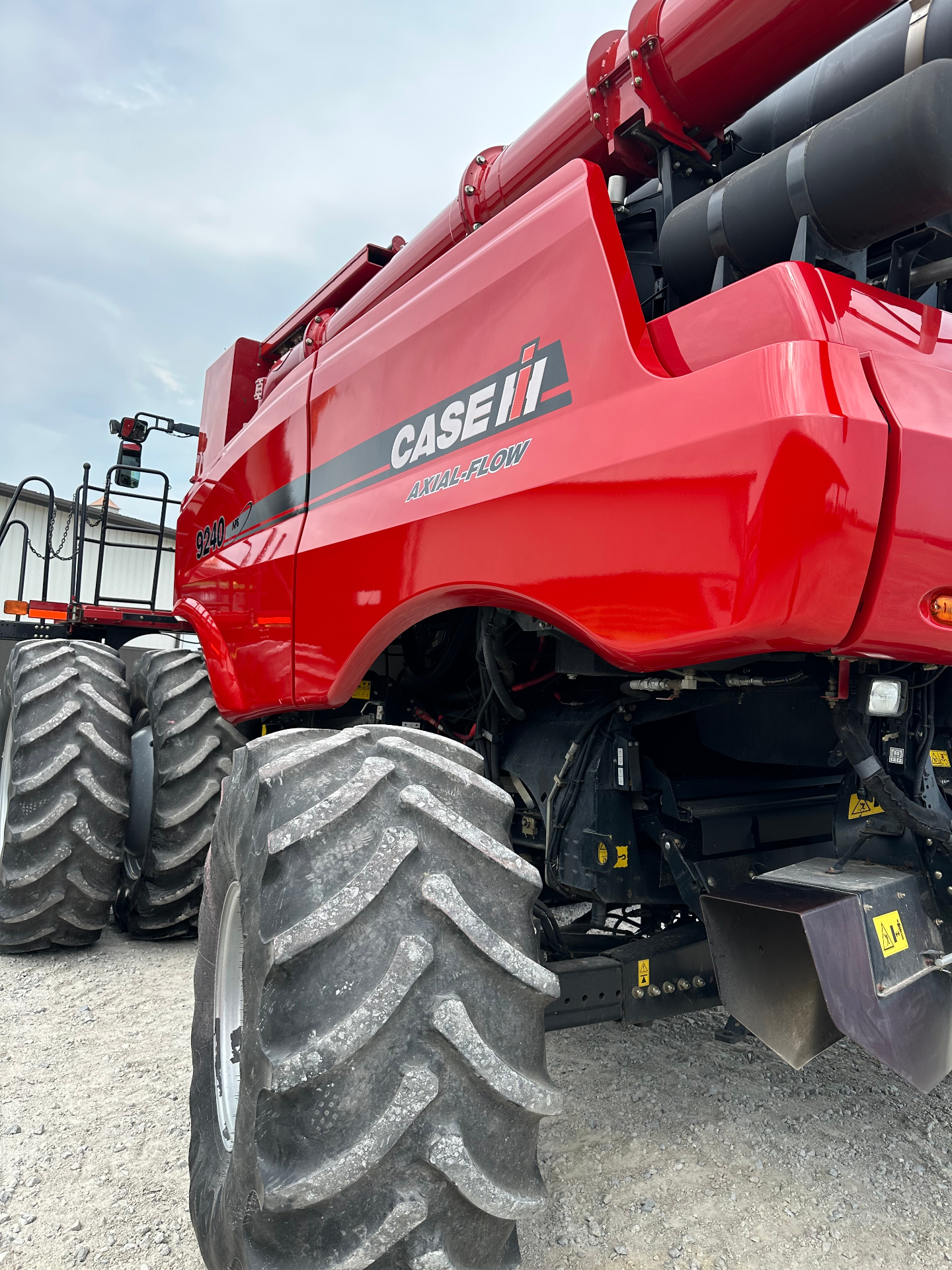
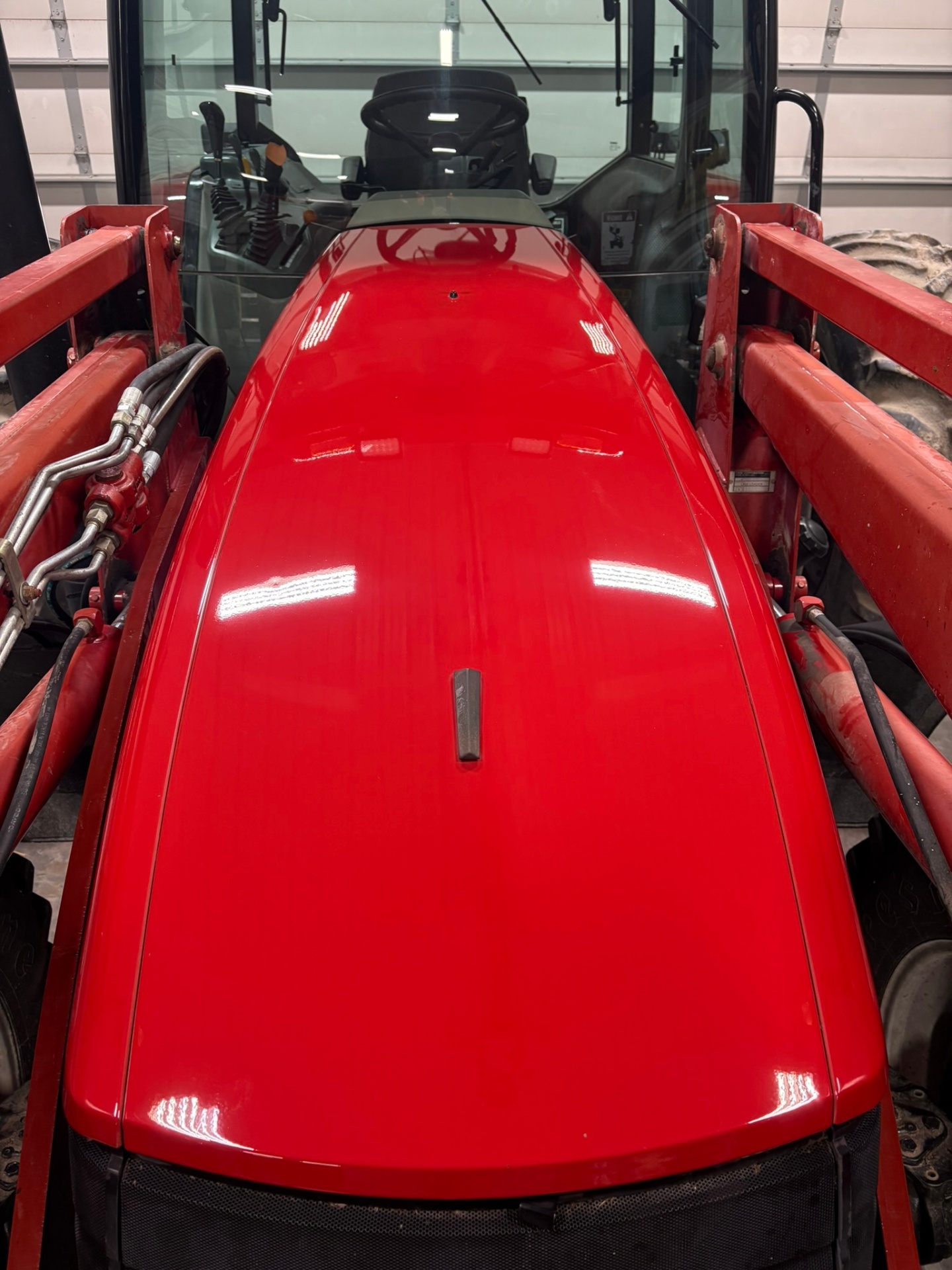
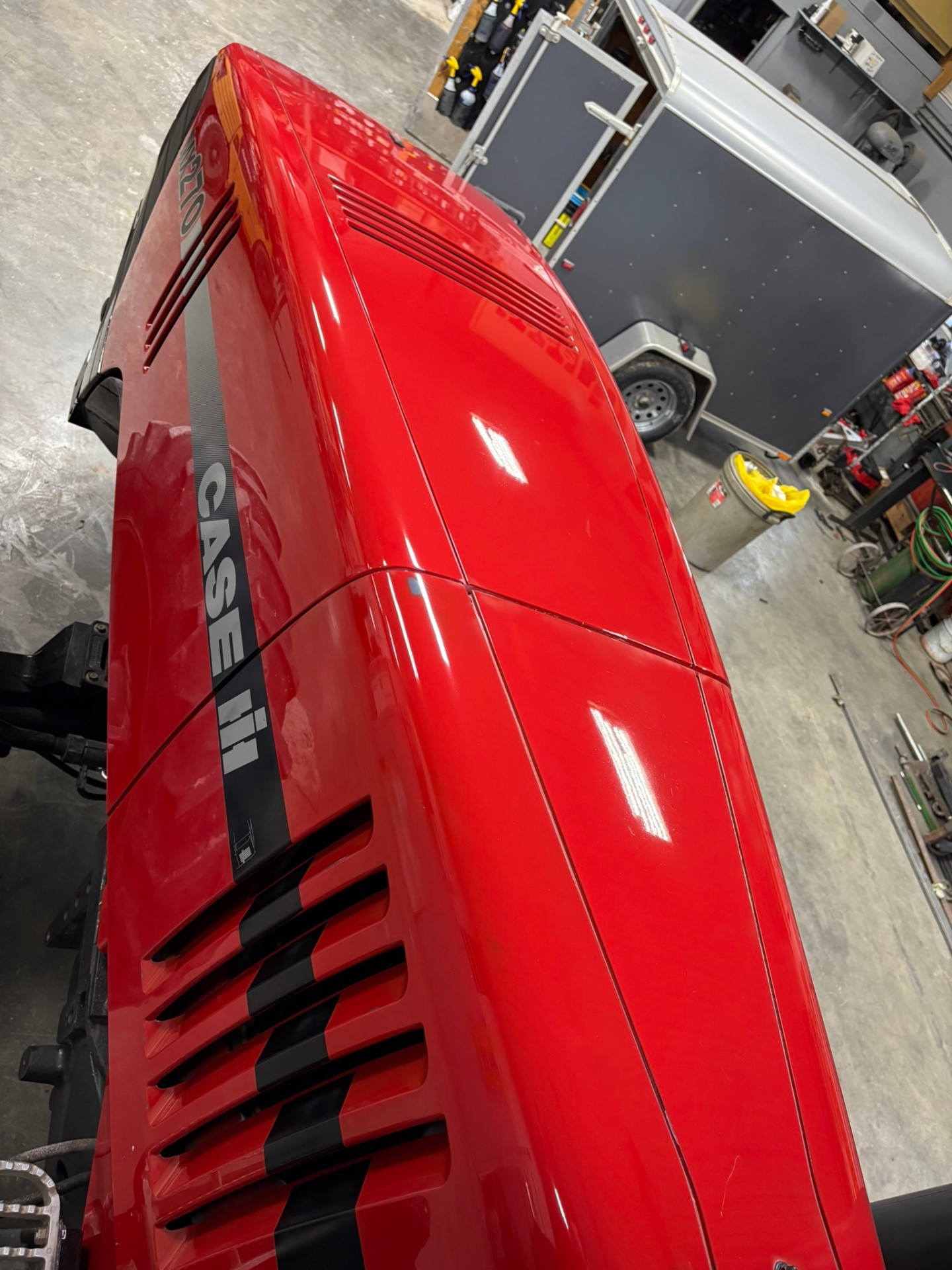
Different colors fade at different rates. Red paint — Case IH, Massey Ferguson, International Harvester — fades fastest, often turning pink or chalky after years of exposure. John Deere green is more UV-stable but still loses depth and richness, taking on a flatter, grayer appearance over time. Yellow paint on equipment like New Holland and Cat loses vibrancy and develops a washed-out look. Kubota orange becomes dull and muted. The pigments responsible for warm colors simply aren't as stable under UV as cooler ones, which is why those machines almost always show the most visible damage first.
Missouri Weather Is Hard On Agricultural Equipment
Northern Missouri is one of the more demanding environments in the country for painted equipment. Summers are hot and humid, with long stretches of intense UV. Storms roll through regularly, hammering equipment with rain, wind, and occasionally hail. Spring and fall bring rapid temperature swings, and winter adds freeze-thaw cycles that cause paint to expand and contract.
Most equipment in this part of the state — around Gallatin, Trenton, Chillicothe, Cameron, Bethany, and the surrounding farms — lives outside year-round. Equipment yards, fence rows, and open-sided sheds offer little protection from the sun or weather. The result is faster oxidation, faster fading, and faster paint failure than what owners in milder, drier climates typically see. These conditions create nearly ideal circumstances for the kind of paint deterioration ceramic coatings are designed to slow down.
What Happens When Equipment Paint Fails?
Paint failure doesn't pause when you ignore it — it compounds. Fading turns into oxidation. Oxidation turns into chalkiness. Decals deteriorate and start lifting. Surfaces that used to rinse clean become harder and harder to wash. Pride of ownership slips a little every year. And the cost of restoration goes up every season you wait.
The operation as a whole starts looking neglected even when it isn't. A tired combine, a chalky sprayer, and a faded tractor send the same message to buyers and bankers: this equipment hasn't been cared for. That perception costs real money at trade-in and resale time, and it takes far more effort to reverse than it would have taken to prevent.
Equipment Types That Benefit From Ceramic Coatings
Almost any painted or gel-coated agricultural surface benefits from ceramic protection. Below are the most common projects we coat for farms across northern Missouri.
Tractors
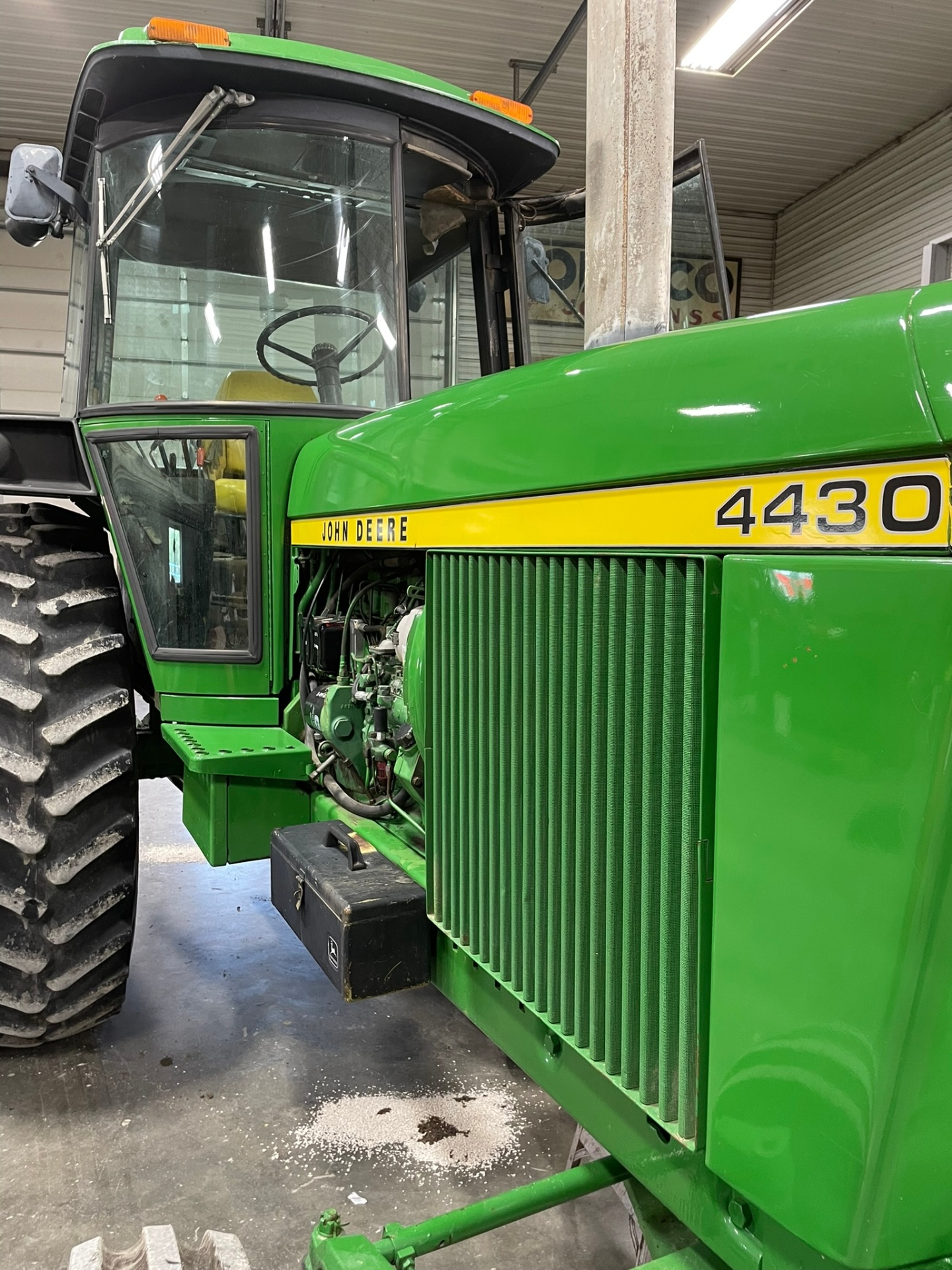
Tractors are the headline application. Large painted surface area, constant UV exposure, frequent washing, and high resale value all make tractors ideal candidates for ceramic coatings. The result is better paint protection, dramatically easier washing, stronger UV resistance, and a deeper, longer-lasting gloss on hoods, fenders, and cab panels.
Combines
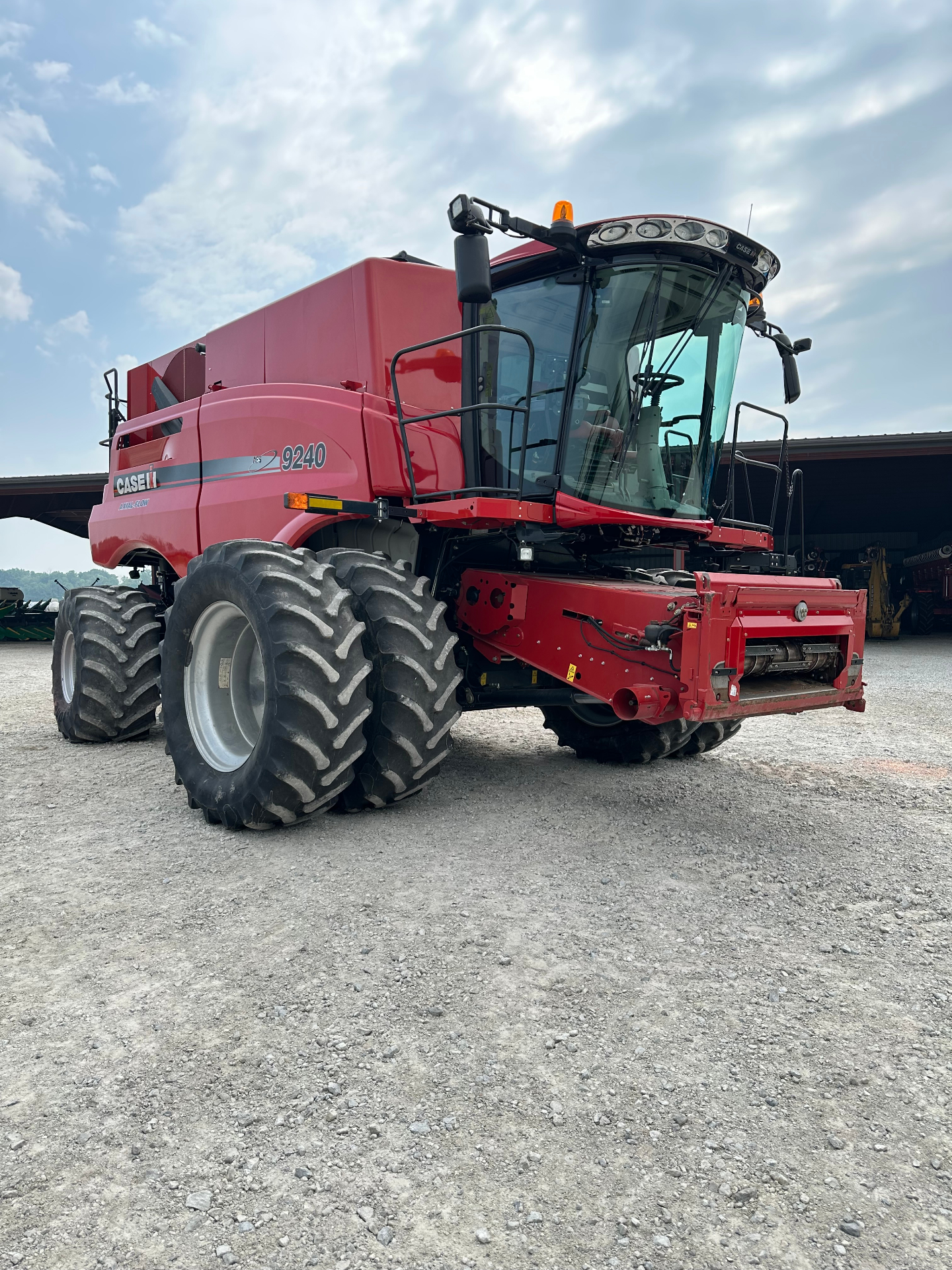
Combines have some of the largest painted panels on any farm. Hoods, cab roofs, side shields, and grain tank extensions all face heavy UV exposure and accumulate enormous amounts of chaff, dust, and crop residue during harvest. A ceramic coating makes harvest-season cleanup much faster, helps fine dust release instead of clinging to the paint, and protects high-cost panels from years of fading.
Sprayers
Sprayers see more chemical exposure than any other piece of equipment on the farm. Fertilizers, herbicides, and pesticides routinely contact painted surfaces, and even small overspray events can permanently stain or etch unprotected paint. A ROAR Ceramic Coating provides a chemical-resistant barrier that helps protect paint from accidental fertilizer and herbicide contact, while making routine wash-downs significantly easier.
Grain Carts
Grain carts spend their lives in dusty, abrasive conditions, often sitting outdoors between harvests. Constant dust exposure dulls paint over time, and outdoor storage accelerates oxidation. Coatings help dust shed off coated surfaces, resist scratching from grain dust, and protect paint during long periods of seasonal storage.
Utility Vehicles
UTVs and side-by-sides are the daily workhorses of most operations. They see weather, mud, dust, and abuse every single day. A ceramic coating helps these machines hold their appearance through hard seasons, makes routine washing dramatically easier, and protects both painted body panels and plastic trim from fading.
Work Trucks
Farm trucks are the public face of many operations — they're on the road, at the elevator, and in town. Ceramic coatings protect farm fleet paint from UV, road grime, and chemical contact while making weekly maintenance far easier. The same coatings used on passenger vehicles work just as well on work trucks that actually earn their keep.
Trailers
Equipment trailers, grain trailers, and livestock trailers are easy to overlook, but they take a lot of abuse and contribute heavily to how an operation looks on the road. A ceramic coating offers long-term paint preservation, easier cleaning after dusty hauls, and better protection against road salt and chemical exposure.
Why Farmers Are Choosing Ceramic Coatings
More Missouri farmers add ceramic coatings to their fleets every year, and the reasons are practical. Wash time drops noticeably. Equipment looks better through every season. Long-term paint protection reduces touch-up and repaint costs down the road. Pride of ownership goes up when machines hold the appearance they had when they were new. And when it's time to trade or sell, the visible care put into the equipment pays off in real dollars.
The Difference Between Wax And Ceramic Coatings
Wax has its place — but it was never designed to protect working agricultural equipment. A typical wax is temporary, with a short lifespan measured in weeks. It washes off in heavy rain, breaks down quickly under UV, strips off during pressure washing, and offers limited resistance to fertilizer and chemical exposure.
ROAR Ceramic Coatings are a different category of protection. They bond chemically to the paint and cure into a hard, durable layer designed for long-term performance. That means stronger UV resistance, better contamination resistance, dramatically longer service life, and protection that actually holds up under the kind of washing and chemical exposure farm equipment sees every season. For working equipment, wax is a maintenance step; ceramic coating is real protection.
How ROAR Ceramic Coatings Help
A ROAR Ceramic Coating is a liquid-applied protective layer that bonds chemically to painted surfaces and cures into a hard, glossy shell. Once cured, the coating — not your paint — absorbs most of the daily abuse from UV, oxidation, chemicals, and contamination.
Benefits include strong UV protection, meaningful chemical resistance against fertilizers and herbicides, dramatically easier cleaning, hydrophobic water behavior so water sheets off instead of sitting on the surface, reduced contamination buildup from dust and pollen, deeper and more consistent gloss, slower oxidation, and long-term protection measured in years rather than weeks. ROAR coatings were developed for real-world working surfaces, which is exactly why they fit agricultural equipment so well — they're not designed for garage queens, they're designed for machines that actually work for a living.
New Equipment vs Older Equipment
New equipment is the ideal candidate for ceramic coating. Factory paint is in peak condition, with no oxidation to remove and no correction needed. Coating new equipment locks in that fresh appearance from day one and dramatically slows the deterioration clock from the moment it leaves the dealer.
Older equipment can still benefit enormously, but the order matters: restoration first, then protection. That typically means a thorough wash and decontamination, paint evaluation, oxidation removal, polishing, and finally ceramic coating installation. Skipping restoration and coating over heavy oxidation just locks in the damage. Done in the right sequence, even tired-looking equipment can come back looking dramatically better — and then stay that way.
Can Existing Equipment Be Restored Before Coating?
In most cases, yes. Oxidation removal, paint restoration, polishing, and surface correction can dramatically improve faded or chalky equipment before any protection is applied. Many machines that owners assume are beyond saving still have plenty of healthy paint underneath the oxidized layer.
We go deeper into this in our companion guide, Can Faded Tractor Paint Be Restored?, but the short version is that restoration is almost always worth evaluating before assuming a repaint is the only option.
Why Appearance Matters More Than Most People Think
Appearance on farm equipment isn't vanity — it's communication. Trade-in appraisers price what they see. Buyers form opinions within seconds of walking up to a machine. Bankers, partners, landowners, and neighbors all draw conclusions about an operation from how the equipment looks. A well-kept fleet says the operation is well-run, the machines are well-maintained, and the work is taken seriously. A faded, chalky, neglected-looking fleet says the opposite, even when the maintenance records tell a different story. Protecting appearance is part of protecting the value and reputation of the whole operation.
Why Pro Ag Polishing?
Pro Ag Polishing is based in Gallatin, Missouri and serves farmers throughout northern Missouri. Owner Case Chrisman became a certified ROAR Ceramic Coating installer while still in high school and built the business through his FFA SAE project. The focus is agricultural — tractors, combines, sprayers, grain equipment, UTVs, work trucks, and trailers — not show cars. That focus means real-world experience with the conditions your equipment actually faces, and honest recommendations based on what makes sense for working machines.