Why Case IH Owners Notice Paint Fading Faster Than Anyone
Case IH red is one of the most recognizable colors in agriculture. You can spot it from across the field. It's bold. It's vibrant. It's iconic. Unfortunately, it's also one of the colors that shows UV damage the fastest. Many owners first notice fading on hoods, cab roofs, fenders, fuel tanks, and side panels. The tractor still performs exactly as it should. The problem is that it no longer looks like the machine you were proud to bring home.
Why Red Paint Fades Faster Than Most Colors
Red paint absorbs more UV energy than many other colors. That additional exposure accelerates the breakdown process. Pigment degradation occurs as ultraviolet radiation attacks the molecular structure of the paint. Oxidation follows as the surface begins breaking down. As deterioration progresses, deep red becomes dull red, dull red becomes faded red, faded red becomes pink, oxidation develops, and gloss disappears. Many Case IH owners are familiar with this progression.
The Biggest Threat To Case IH Paint
If there is one thing responsible for more Case IH paint damage than anything else, it is ultraviolet radiation. UV exposure attacks the resins that hold paint together. As those resins break down, color fades, gloss disappears, oxidation develops, surface texture changes, and paint becomes more difficult to maintain. The process happens gradually, which is why many owners don't realize how severe the fading has become until years later.
Why Red Paint Turns Pink
Many owners specifically search: 'Why did my red tractor turn pink?' The answer is oxidation combined with UV exposure and pigment breakdown. Red pigments are particularly vulnerable to ultraviolet degradation. As the paint surface deteriorates, the deep red color loses saturation and shifts toward a lighter, chalky pink appearance. This commonly affects Case IH tractors, International Harvester tractors, Farmall tractors, and older agricultural equipment. The pink appearance is often oxidation rather than complete paint failure, which means restoration is frequently possible before repainting becomes necessary.
Missouri Weather And Case IH Equipment
Northern Missouri experiences conditions that are especially difficult on painted equipment. Hot summers bring intense UV exposure. High humidity accelerates surface deterioration. Rain and storms introduce water spotting and contamination. Seasonal weather swings stress paint through expansion and contraction. Outdoor storage means exposure never stops. Equipment located near Gallatin, Trenton, Chillicothe, Bethany, Cameron, and surrounding communities often spends much of its life outdoors where weather attack is continuous. Without protection, paint deterioration is simply a matter of time.
The Early Warning Signs Of Paint Damage
Recognizing paint damage early makes intervention easier and more effective. Watch for reduced gloss where the finish no longer reflects light sharply. Dull appearance where the surface looks flat instead of deep. Pink coloration where red pigment is breaking down. Oxidation showing as chalky residue on the surface. Rough texture where the paint feels gritty instead of smooth. Faded decals where logos and striping lose vibrancy. Water no longer beading where the surface has lost its protective qualities. Early intervention matters because once oxidation penetrates deeply, restoration becomes more difficult and expensive.
What Happens If You Ignore Fading?
Ignoring early paint damage leads to a cascade of worsening problems. Continued oxidation breaks down the paint surface further. More severe fading causes deeper color loss. Loss of gloss makes the equipment look older than it is. Restoration becomes more difficult as damage penetrates deeper into the paint layers. Increased repaint risk becomes more likely when oxidation cannot be polished away. Reduced appearance hurts pride of ownership and farm image. Reduced resale appeal means lower trade-in values and weaker auction performance. Deterioration compounds over time. What starts as minor fading can become a major restoration project if left unaddressed.
Can Faded Case IH Paint Be Restored?
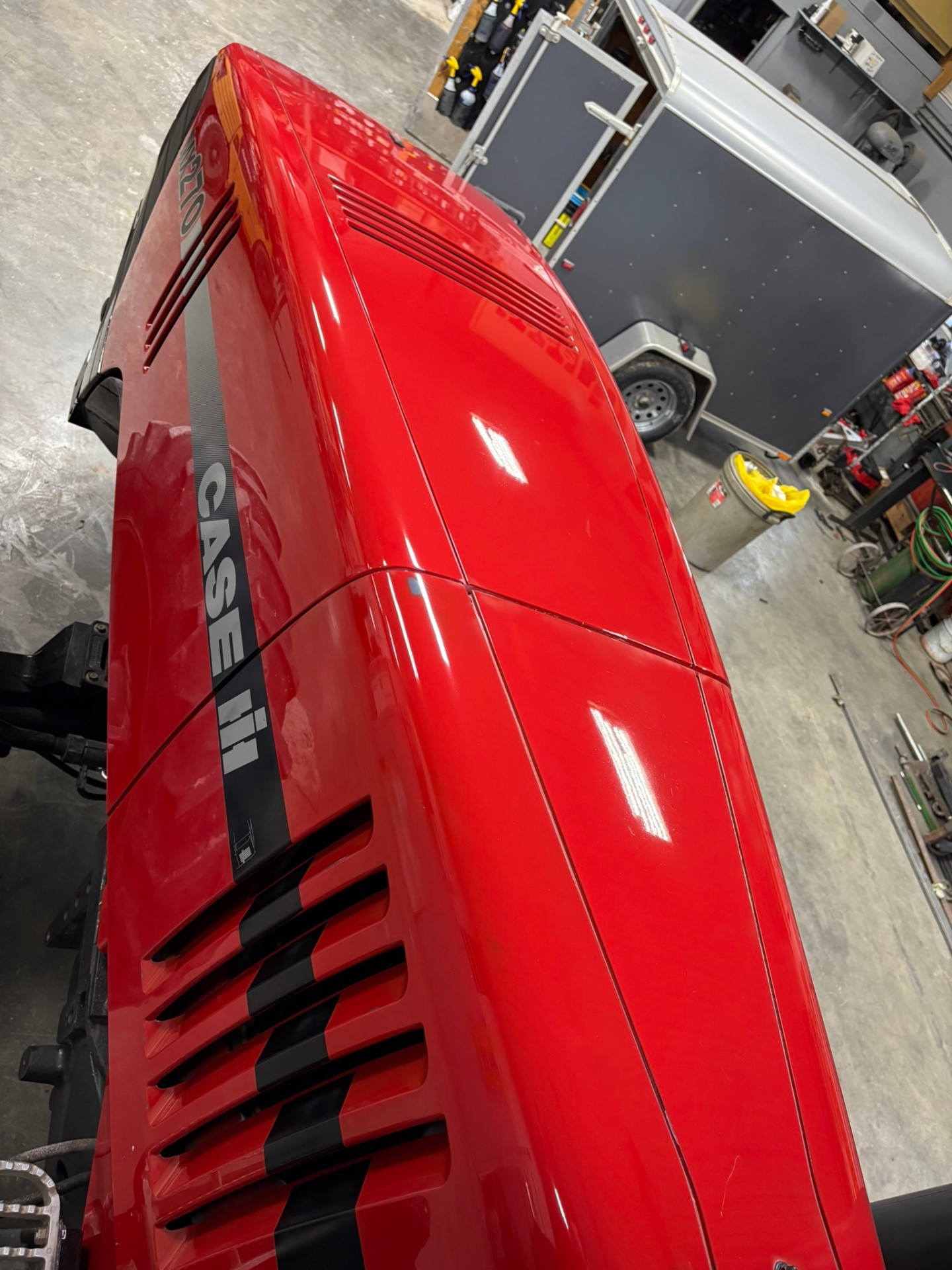
Many faded Case IH tractors can be dramatically improved without repainting. The restoration process typically involves oxidation removal to eliminate the damaged surface layer. Paint correction addresses swirl marks, scratches, and imperfections. Polishing revives gloss and color depth. Surface restoration prepares the finish for long-term protection. The key factor is whether the clear coat is still intact. When it is, professional polishing can often uncover vibrant red paint that looked lost beneath years of oxidation. For a deeper look at the restoration process, see our guide: Can Faded Tractor Paint Be Restored?
The Difference Between Restoration And Repainting
Many owners assume faded paint means repainting. In reality, restoration and repainting are very different approaches. Restoration involves polishing and correcting existing paint to revive the original finish. It is typically faster, more affordable, and preserves factory paint when possible. Repainting involves stripping and respraying the entire surface. It is more expensive, takes longer, and may not match factory texture exactly. Restoration makes sense when the clear coat is intact and the paint beneath is healthy. Repainting becomes necessary when paint has failed completely, clear coat is peeling, or damage is too deep for correction.
Why Wax Is Not Enough
Traditional wax has been the go-to protection for generations, but it has serious limitations for working agricultural equipment. Wax offers minimal UV resistance and breaks down quickly under sun exposure. It lasts only weeks to months under normal farm conditions. Durability is poor against fertilizer, chemical exposure, and abrasion. Protection levels are surface-level and temporary. ROAR Ceramic Coatings, by comparison, provide substantial UV resistance that shields paint from radiation damage. They last for years instead of weeks. They withstand chemical exposure, fertilizer residue, and harsh washing. They create a harder, more durable protective layer that holds up on working equipment. For equipment that lives outdoors and works hard, ceramic coatings provide the level of protection that wax simply cannot match.
How ROAR Ceramic Coatings Help
A professionally installed ROAR Ceramic Coating provides comprehensive protection for Case IH equipment. UV Protection reduces the radiation that breaks down paint resins and pigments. Easier Cleaning means dirt, dust, mud, and contamination release more readily from the slick coated surface. Improved Gloss creates deeper, richer red color that looks vibrant in any light. Reduced Oxidation slows the surface breakdown that causes chalking and fading. Decal Protection helps preserve logos, striping, and graphics from UV and weather damage. Better Water Behavior causes rain and wash water to bead and sheet off rather than sitting on the surface. Long-Term Surface Protection means years of durability instead of weeks. Easier Maintenance reduces the time and effort required to keep equipment looking its best.
Case IH Tractors
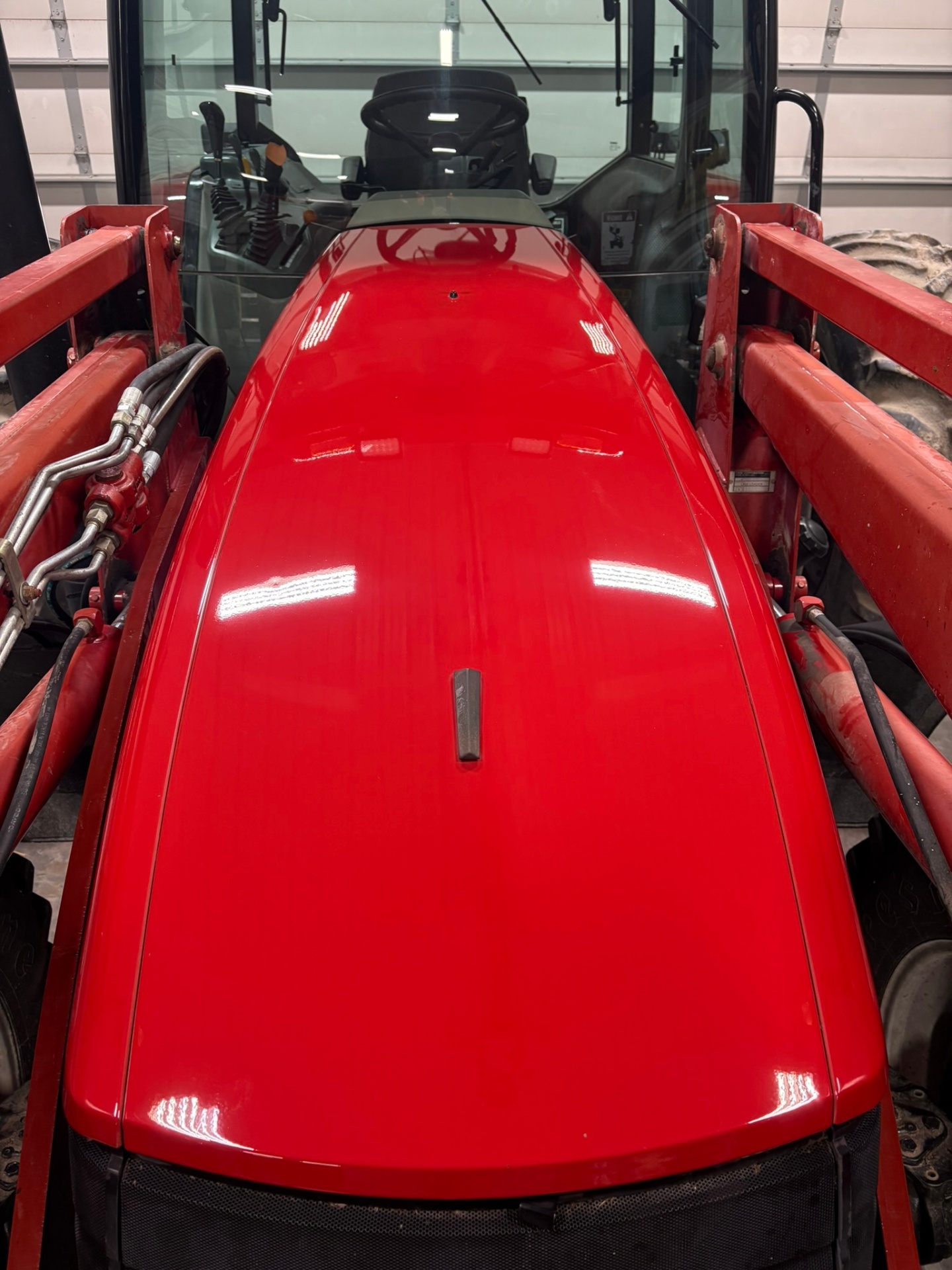
Case IH tractors are the backbone of most operations, and they spend countless hours in the field under direct sun. Hoods, cab roofs, and fenders see the most exposure. A ceramic coating helps preserve the factory finish on new tractors and protects restored finishes on older machines. Whether you run a Magnum, Steiger, Farmall, or legacy International Harvester, protection helps maintain the bold red appearance that makes Case IH equipment instantly recognizable.
Case IH Combines
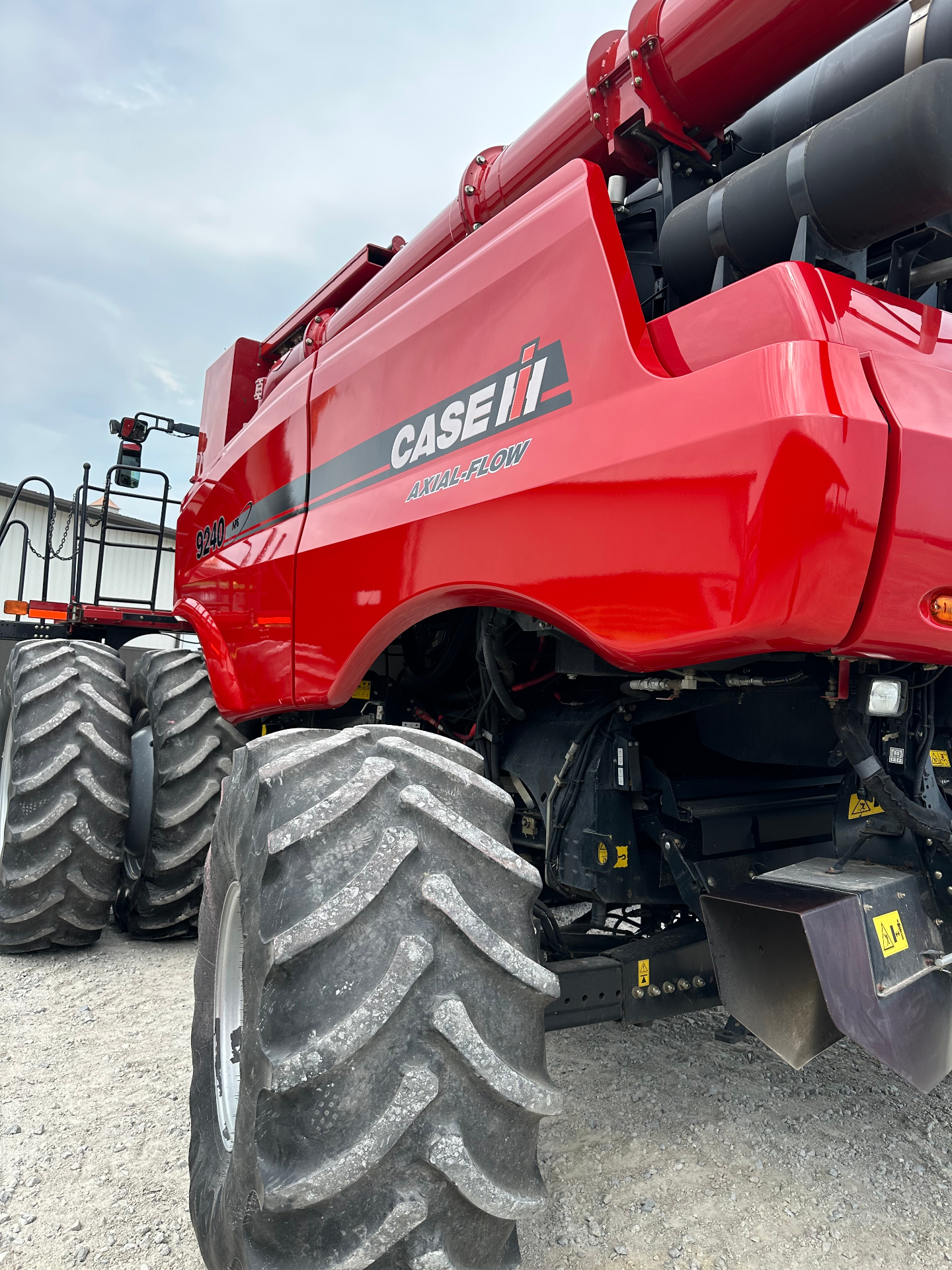
Combines present unique paint protection challenges. The large surface area means more exposure to sun and weather. Extended harvest hours often mean operating during peak UV conditions. Dust and chaff create abrasive conditions that wear on unprotected paint. A ROAR Ceramic Coating helps reduce contamination buildup, makes post-harvest cleaning easier, and preserves the red finish through demanding seasons.
Case IH Sprayers
Sprayers face some of the harshest conditions in agriculture. Chemical exposure from fertilizers and herbicides can stain, etch, and damage unprotected paint. Frequent washing to remove chemical residue accelerates wear on wax and unprotected surfaces. Booms and tanks see constant weather exposure. A ceramic coating creates a chemical-resistant barrier that makes cleaning easier and helps protect against the very products the sprayer is designed to apply.
Case IH Utility Equipment
Utility tractors, skid steers, and compact equipment often live their entire lives outdoors. Mowing, loader work, material handling, and property maintenance keep them constantly exposed. These machines may not get the same attention as primary tractors, but their paint faces identical threats. Protection helps preserve appearance and value across the entire equipment lineup.
New Case IH Equipment vs Older Case IH Equipment
Protection strategies differ depending on equipment age. New equipment benefits from protecting factory paint before deterioration begins. The clear coat is intact, the color is vibrant, and the surface is smooth. This is the ideal time to apply a ceramic coating because the paint is already in peak condition. Older equipment often requires restoration first. Oxidation removal, paint correction, and polishing bring the finish back to life before locking in the results with a ceramic coating. Both approaches are valid. The key is matching the right process to the current condition of the equipment.
Why Appearance Matters
Working equipment does not need to look showroom fresh to perform well. However, appearance still matters for several important reasons. Pride of ownership means operating equipment you feel good about every day. Farm image reflects on your operation when customers, neighbors, and visitors see your equipment. Equipment presentation affects how you feel about the machinery you rely on. Resale value is directly impacted by paint condition when it comes time to sell or trade. Trade-in value is often set partly on visual assessment at the dealership. Well-maintained paint signals that the entire machine was cared for.
Why Farmers Are Protecting Equipment Earlier
More farmers are investing in paint protection earlier in the equipment lifecycle than ever before. Rising equipment costs mean every machine represents a larger financial commitment. Longer ownership cycles mean equipment stays in service longer, giving deterioration more time to develop. Preservation of investments becomes more important as replacement costs climb. Increased replacement costs make maintaining existing equipment more attractive than buying new. A ceramic coating is a relatively small investment compared to the value of the equipment it protects, and it pays dividends every time the machine looks better, cleans easier, and maintains stronger resale appeal.
Decal And Graphics Protection
Case IH decals, striping, and graphics are a signature part of the brand identity. Unfortunately, decals often fade and deteriorate faster than paint because they sit on top of the surface with less UV protection. A ceramic coating helps extend decal life by providing a protective layer over the graphics. It reduces UV penetration that causes fading. It makes cleaning gentler by creating a slick surface where contamination releases more easily. It protects against the edge peeling that often starts when dirt works under decal corners. Preserving decals is part of preserving the complete Case IH appearance.
Why Pro Ag Polishing?
Based in Gallatin, Missouri, Pro Ag Polishing helps farmers throughout northern Missouri restore and protect tractors, combines, sprayers, and agricultural equipment. Owner Case Chrisman became a certified ROAR Ceramic Coating installer while still in high school through his FFA SAE project and continues helping equipment owners preserve the appearance of the investments they depend on every day. We understand agricultural equipment because we live and work in the same farming community you do. We know what Missouri weather does to paint. We know how hard working equipment is used. And we know what it takes to protect it.