Why John Deere Owners Notice Paint Fading Faster Than Anyone
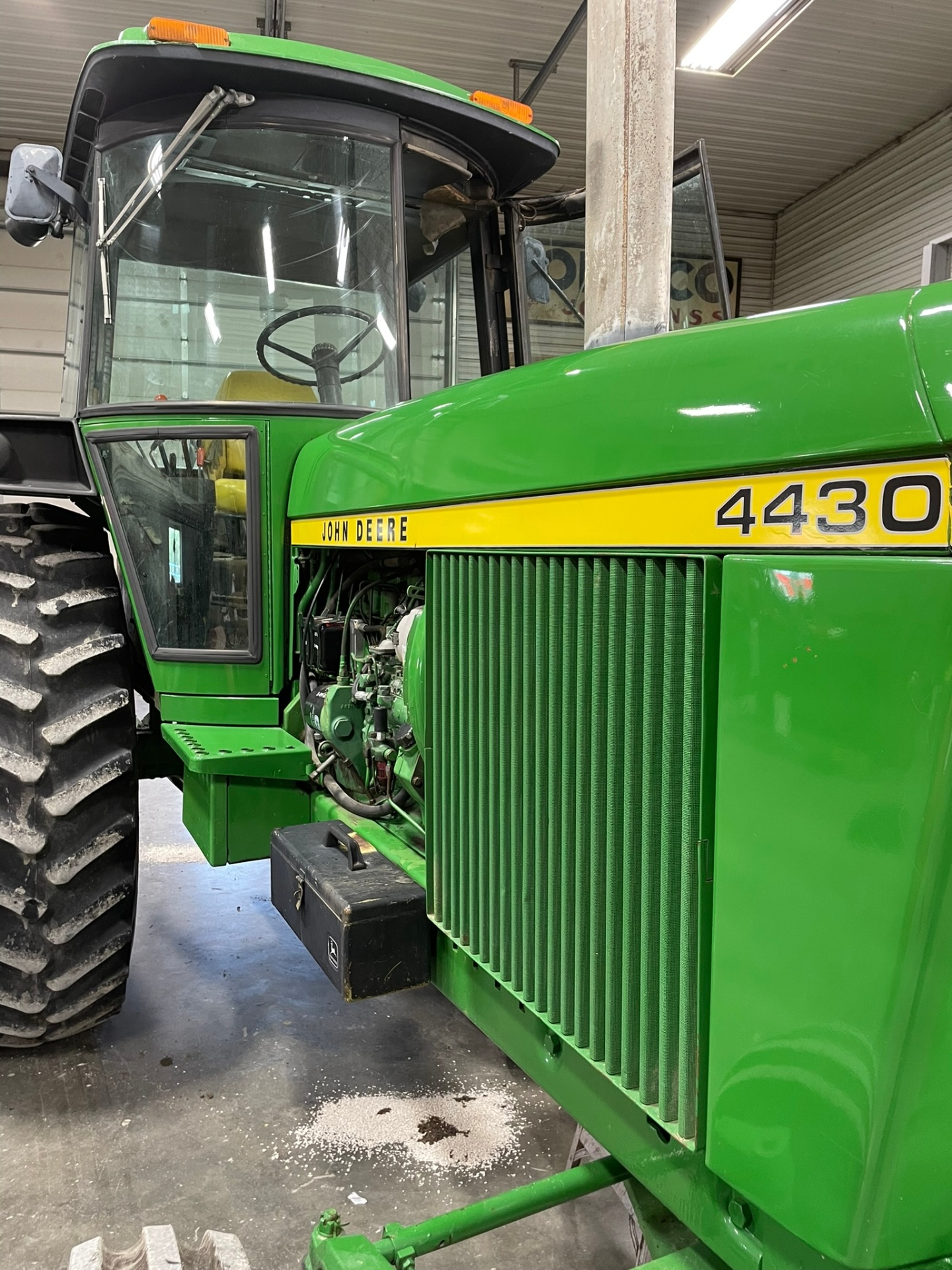
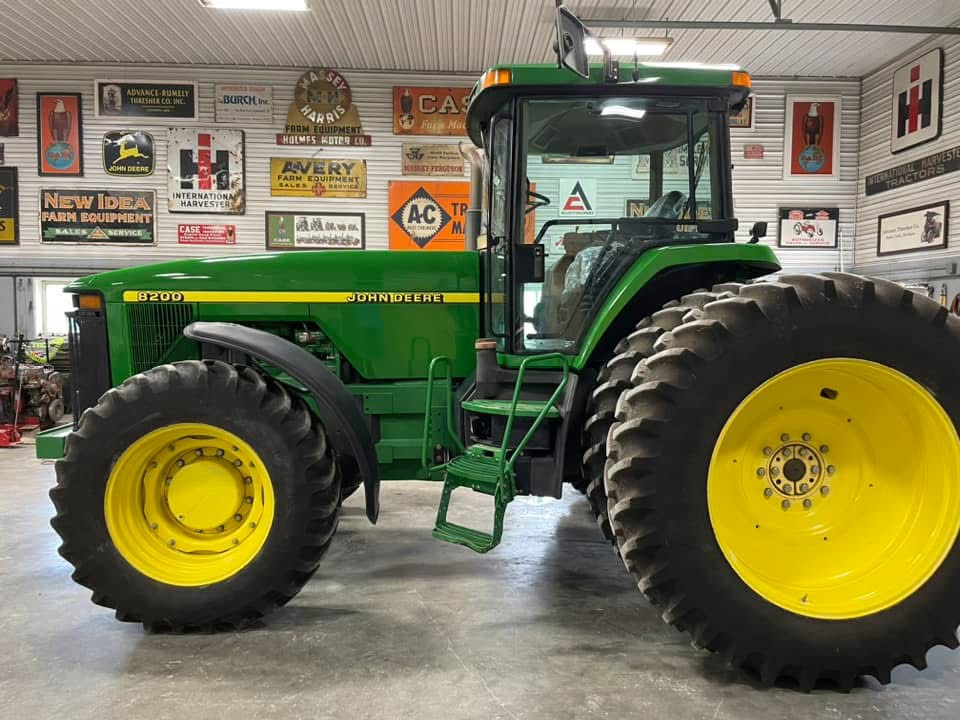
John Deere owners take pride in their equipment. The green paint. The yellow wheels. The bright decals. The unmistakable appearance. When that appearance begins to fade, owners notice immediately. The challenge is that paint deterioration rarely happens overnight. It happens gradually. A little less gloss each year. A little less depth. A little more oxidation. Eventually the tractor still performs perfectly, but it no longer looks like the machine you were proud to bring home. That difference matters — not just for resale, but for the pride you feel every time you walk past it in the barn lot.
Why John Deere Paint Fades
Many owners believe fading is simply part of owning equipment. The reality is that fading is the result of environmental damage accumulating over time.
UV exposure is the single biggest factor. Ultraviolet radiation slowly breaks down the resins that protect paint, causing gloss to disappear, color to lose depth, and surfaces to become dull.
Oxidation occurs when the paint surface begins breaking down due to environmental exposure, creating a chalky, rough layer that hides the healthy color underneath.
Humidity in northern Missouri accelerates oxidation by keeping moisture in contact with the paint surface for extended periods.
Rain and storms deposit minerals, acids, and contaminants that etch and degrade the clear coat over time.
Fertilizer residue is surprisingly aggressive. The chemicals left on surfaces after application can stain and etch paint if not removed promptly.
Dust accumulation may seem harmless, but when wiped or washed incorrectly, those particles act like sandpaper against the clear coat.
Outdoor storage leaves equipment completely unprotected from sun, rain, dew, and temperature swings twenty-four hours a day.
Washing practices matter. Using harsh detergents, dirty rags, or washing in direct sunlight can damage the finish you are trying to preserve.
Chemical contamination from herbicides, pesticides, and diesel residue all contribute to gradual paint breakdown.
The Biggest Threat To John Deere Paint
If there is one factor responsible for more John Deere paint damage than anything else, it is UV exposure.
Ultraviolet radiation slowly breaks down the resins that protect paint. As those resins deteriorate, gloss disappears, color loses depth, surfaces become dull, oxidation develops, and paint becomes harder to maintain.
The process happens slowly enough that many owners don't realize how much fading has occurred until they park beside a newer machine. The contrast can be shocking. The faded tractor looks tired and worn. The protected tractor looks vibrant and well cared for. That gap in appearance represents years of cumulative sun damage — damage that could have been prevented with proper protection.
Why Green Paint Loses Its Richness
Healthy John Deere paint appears deep and rich. It catches the light. It looks almost wet. The color has dimension and life.
Faded John Deere paint often appears flat, dull, washed out, gray-green, and lifeless. The difference is striking once you learn to see it.
This happens because of pigment deterioration, where UV radiation breaks down the colored pigments in the paint, causing them to lose intensity. Oxidation creates a chalky surface layer that scatters light instead of reflecting it cleanly. Surface contamination from embedded dirt, chemicals, and minerals further dulls the finish. And loss of clarity in the clear coat means light no longer penetrates and reflects the way it should. The result is paint that looks tired even when the tractor underneath is mechanically sound.
What Happens To John Deere Decals?
Many owners focus on paint. Decals often suffer just as much damage.
UV exposure causes yellow decals to fade and lose their bright, crisp appearance. Cracking develops as the decal material becomes brittle from sun and weather exposure. Fading turns bold yellow into a pale, washed-out version of itself. Edge lifting occurs when the adhesive breaks down, allowing moisture and dirt to work underneath the decal. And loss of color means the decal no longer provides the sharp contrast that makes John Deere equipment instantly recognizable.
Protecting decals is important because replacement decals are expensive, installation is time-consuming, and faded decals make even well-maintained equipment look older than it is. A ceramic coating helps protect the decal surface from UV and contamination, slowing deterioration and preserving that iconic John Deere appearance.
Missouri Weather And John Deere Equipment
Northern Missouri presents a challenging environment for painted equipment. Hot summers bring intense UV exposure that attacks paint resins for months at a time. High humidity keeps moisture in contact with surfaces, accelerating oxidation and corrosion. Rain and storms deposit acidic and mineral contaminants. Seasonal temperature changes cause expansion and contraction that stress paint and clear coat over time.
Equipment located near Gallatin, Trenton, Chillicothe, Bethany, Cameron, and surrounding communities often spends much of its life outdoors. Field work, fence-line storage, and lack of covered barn space all contribute to accelerated deterioration. Missouri weather is not gentle on equipment, and John Deere paint faces these conditions every single day.
The Early Warning Signs Of Paint Damage
Catching paint damage early makes restoration easier and more effective. Watch for these warning signs:
Reduced gloss is often the first indicator. The paint no longer catches light the way it once did. Faded decals show that UV damage is already occurring. Dull paint suggests the clear coat is beginning to deteriorate. Rough texture indicates oxidation is developing on the surface. When water no longer beads on the paint, the protective layer has likely degraded. And color changes — especially the shift from deep green to gray-green — signal that pigment breakdown is underway.
Addressing these signs early prevents further deterioration and typically produces better restoration results.
What Happens If You Do Nothing?
Waiting rarely improves paint condition. In fact, it usually makes the situation worse.
Continued fading deepens color loss and makes restoration more difficult. Oxidation thickens the damaged surface layer, requiring more aggressive correction. Decal deterioration progresses from fading to cracking to edge lifting, making replacement more likely. More expensive restoration becomes necessary as surface damage compounds. Reduced appearance hurts pride of ownership and farm image. And lower perceived value directly impacts trade-in and resale outcomes.
The equipment still works. It still pulls implements, lifts loads, and gets the job done. But it no longer looks like the investment it was. And that visual decline quietly costs money when it comes time to sell, trade, or upgrade.
Can Faded John Deere Paint Be Restored?
In many cases, yes.
Oxidation removal eliminates the chalky, damaged surface layer and exposes healthier paint beneath. Paint correction refines the surface to restore clarity and gloss. Polishing revives color depth and brings back the rich green appearance that makes John Deere equipment distinctive.
Many John Deere tractors can be dramatically improved without repainting. The key is determining how much healthy paint remains and whether the clear coat is still intact enough to support correction. For a deeper look at what's possible, see our companion guide: Can Faded Tractor Paint Be Restored?
Protecting Paint vs Restoring Paint
Many owners confuse the two, but they are fundamentally different approaches.
Protection prevents damage from occurring in the first place. It is proactive. It preserves factory paint at its peak. It is typically less expensive over the life of the equipment. And it is ideal for newer equipment that still looks excellent.
Restoration corrects existing damage. It is reactive. It removes oxidation, fading, and surface deterioration that has already occurred. It requires more labor and typically costs more than preventive protection. And it is ideal for older equipment that has already begun showing visible wear.
The best strategy depends on your equipment's current condition. Newer tractors should be protected before damage begins. Older tractors often benefit from restoration first, followed by protection to lock in the results.
Why Wax Is Not Enough
Traditional wax has been the go-to solution for decades, but it is not sufficient for working agricultural equipment in Missouri.
Durability is the biggest issue. Wax provides a thin sacrificial layer that wears off in weeks on equipment stored outdoors and washed regularly. UV resistance is minimal compared to modern coating technology. Maintenance requirements are high — wax must be reapplied repeatedly to maintain any benefit. And longevity is measured in weeks, not years.
ROAR Ceramic Coatings offer a different category of protection. They bond chemically to the clear coat, creating a durable layer that lasts years. UV resistance is built into the coating chemistry. Maintenance is dramatically simpler — dirt, mud, and contamination release more easily. And longevity is measured in years, making the investment more cost-effective over time. For equipment that lives outside and works for a living, ceramic coatings are simply a better solution.
How ROAR Ceramic Coatings Help
ROAR Ceramic Coatings provide comprehensive protection designed specifically for working equipment.
UV Protection reduces sun damage and slows the breakdown of paint resins. Easier Cleaning means mud, dust, fertilizer residue, and contamination release more quickly during washing. Improved Gloss helps maintain the deep, wet-looking finish that makes John Deere paint distinctive. Reduced Oxidation slows the chalky surface breakdown that dulls paint over time. Decal Protection helps preserve yellow decals from fading, cracking, and edge lifting. Better Water Behavior causes water to bead and sheet off rather than sitting on the surface and depositing minerals. Long-Term Surface Protection creates a durable barrier between your paint and the environment. And Easier Maintenance means less time washing and more time working.
This protection applies across the entire John Deere lineup — tractors, combines, sprayers, utility vehicles, and work equipment.
John Deere Tractors
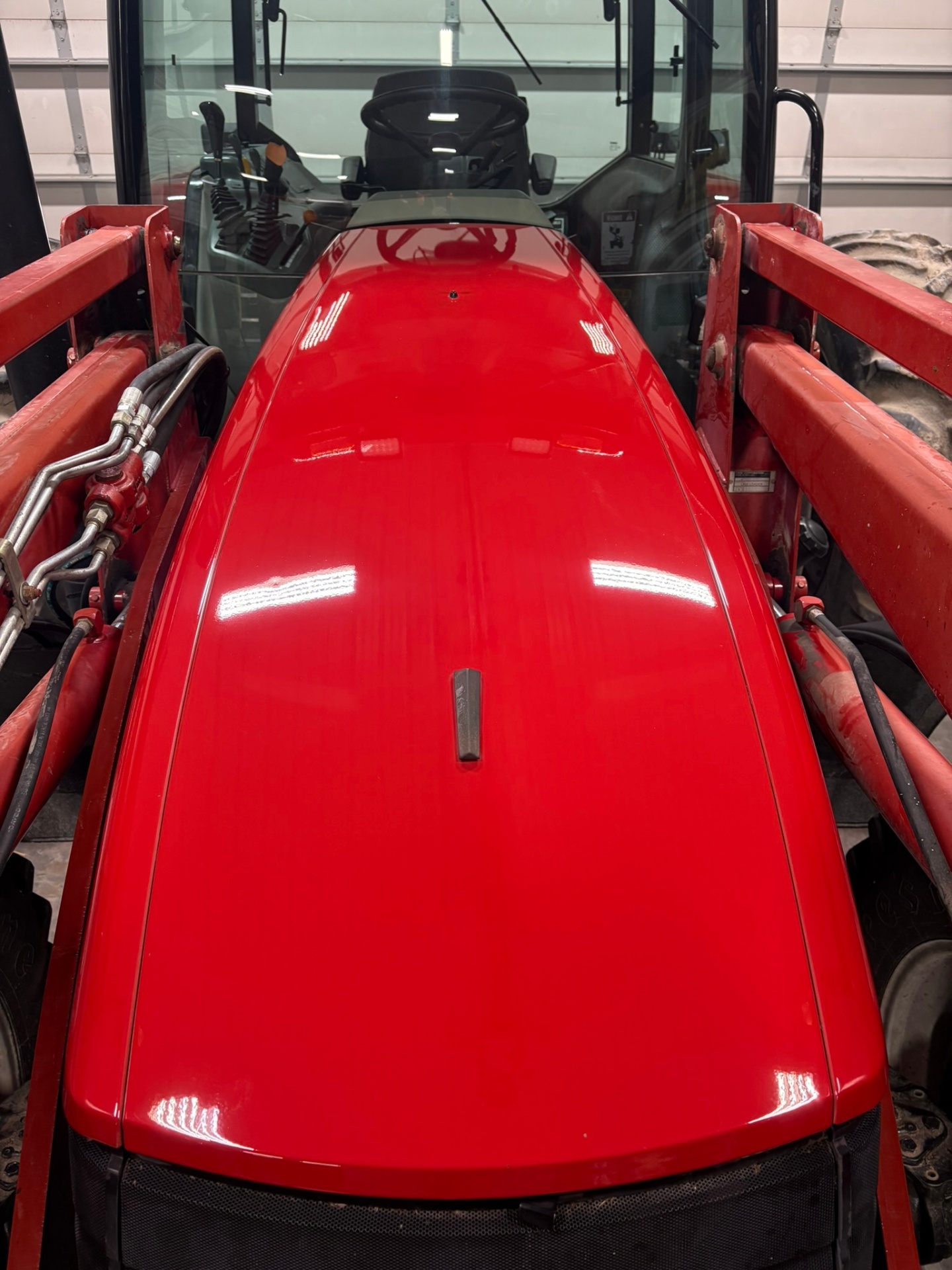
Tractors are the backbone of most operations and the most visible piece of equipment on the farm. Protecting tractor paint preserves the appearance you see every day, maintains the finish that buyers notice at trade-in time, and reduces the time spent cleaning between jobs. A ROAR Ceramic Coating helps keep hoods, fenders, and cab panels looking sharp through every season.
John Deere Combines
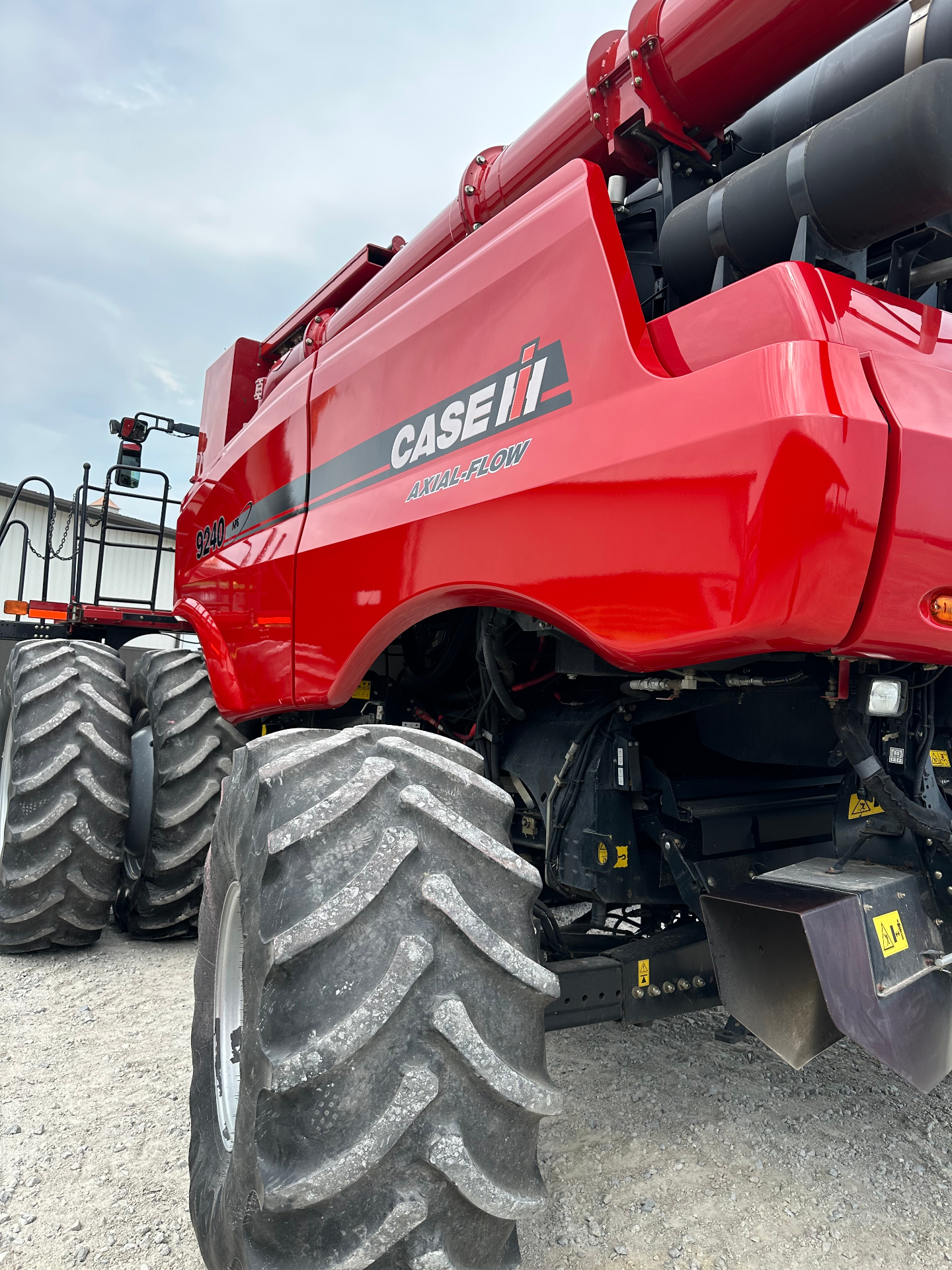
Combines represent massive investments and face some of the harshest conditions in agriculture. Dust, chaff, sap, and residue coat every surface during harvest. Long hours in the sun bake contaminants onto the paint. And the large surface area means more paint is exposed to damage. Ceramic coating protection helps combine paint resist UV breakdown, makes post-harvest cleanup faster, and preserves appearance through years of heavy use.
John Deere Sprayers
Sprayers are constantly exposed to chemicals that can stain and etch paint. Fertilizer, herbicide, and pesticide residues settle on every surface. Without protection, these chemicals gradually degrade the clear coat and damage the finish underneath. A ROAR Ceramic Coating provides a chemical-resistant barrier that helps prevent etching and makes rinsing off residue much easier after each application.
John Deere Utility Vehicles
Utility vehicles see constant use around the property — hauling, towing, checking fence lines, and moving between fields. They are exposed to mud, dust, brush, and weather every single day. Their compact size means they are often stored outside with minimal protection. A ceramic coating helps preserve the finish on these workhorses, making them easier to clean and maintaining their appearance through heavy use.
New John Deere Equipment vs Older John Deere Equipment
Protection strategies differ based on equipment age and condition.
New Equipment should be protected before deterioration begins. Factory paint is at its peak — deep, glossy, and free of oxidation. Applying a ROAR Ceramic Coating now locks in that condition and slows future damage. Prevention is always easier and more effective than correction.
Older Equipment typically benefits from restoration first. Oxidation removal, paint correction, and polishing revive the finish before protection is applied. The result is a dramatically improved appearance that is then locked in with long-term ceramic coating protection. This two-step approach delivers the best possible outcome for equipment that has already begun showing signs of age.
Why Appearance Matters
Some owners dismiss paint protection as purely cosmetic. The reality is that appearance affects multiple practical outcomes.
Pride of ownership matters. Walking past a gleaming tractor every morning feels different than walking past a faded one. Equipment presentation reflects on the operation as a whole. Buyers, neighbors, and visitors form impressions based on what they see. Resale value is directly influenced by paint condition. Trade-in value follows the same pattern — dealers make snap judgments based on appearance. And farm image matters in a world where first impressions count. A well-maintained fleet signals professionalism and care, even before anyone checks the maintenance records.
Get A Free Equipment Assessment
Wondering whether your John Deere equipment could benefit from restoration, ceramic coating, or both?
Send photos. We'll review the condition and provide honest recommendations based on what we see. No pressure. No obligation.
Case Chrisman at Pro Ag Polishing in Gallatin, Missouri helps John Deere owners throughout northern Missouri preserve the appearance and value of the equipment they depend on every day.
Why Pro Ag Polishing?
Based in Gallatin, Missouri, Pro Ag Polishing helps farmers throughout northern Missouri restore and protect tractors, combines, sprayers, and equipment.
Owner Case Chrisman became a certified ROAR Ceramic Coating installer while still in high school through his FFA SAE project and continues helping equipment owners preserve the appearance of the investments they depend on every day.
We understand John Deere equipment because we work on it regularly. We know what northern Missouri weather does to paint. And we believe in honest assessments — we'll tell you exactly what is possible and what to expect.