Most Tractor Owners Don't Notice The Damage Until It's Too Late
The reason tractor paint fading catches people off guard is because it doesn't happen overnight. A tractor rarely goes from glossy to chalky in a single season. Instead, the damage happens so gradually that owners often don't notice it until years have passed.
One spring the paint looks slightly duller. The next year it doesn't seem to clean up quite as well. A few years later the red paint looks pink, the green paint loses depth, the decals start fading, and the gloss is gone. At that point most owners believe the tractor simply looks old. In reality, years of environmental damage have been slowly attacking the finish.
Why Tractor Paint Fades
Paint fading isn't caused by a single problem. It is usually the result of multiple factors working together over time.
UV exposure breaks down the resins and pigments that give paint its color and gloss. Oxidation occurs when those weakened resins react with oxygen and moisture, leaving a chalky residue on the surface. Humidity keeps moisture in constant contact with paint, accelerating that reaction. Rain carries airborne contaminants — including acidic compounds — onto the finish. Dust and pollen embed themselves in micro-pores in the clear coat. Fertilizer residue, especially anhydrous and liquid nitrogen overspray, is highly corrosive to paint. Chemical exposure from herbicides and pesticides causes staining and etching. Outdoor storage exposes equipment to all of the above, every single day. Temperature fluctuations between hot summer afternoons and cold Missouri nights cause paint to expand and contract, creating microscopic stress that compounds every other form of damage.
The Biggest Threat To Tractor Paint Is The Sun
If there is one factor responsible for more tractor paint damage than anything else, it is ultraviolet radiation. UV rays penetrate the clear coat and break down the binders and pigments inside the paint film. As those binders deteriorate, gloss is lost, color appears flat and washed out, and the surface begins oxidizing.
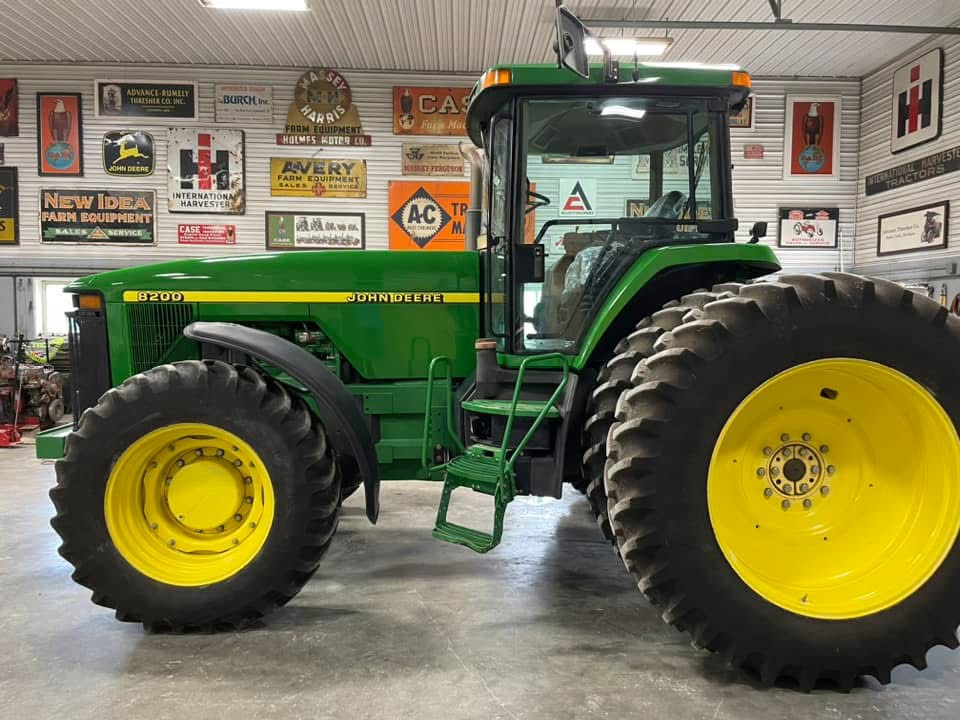
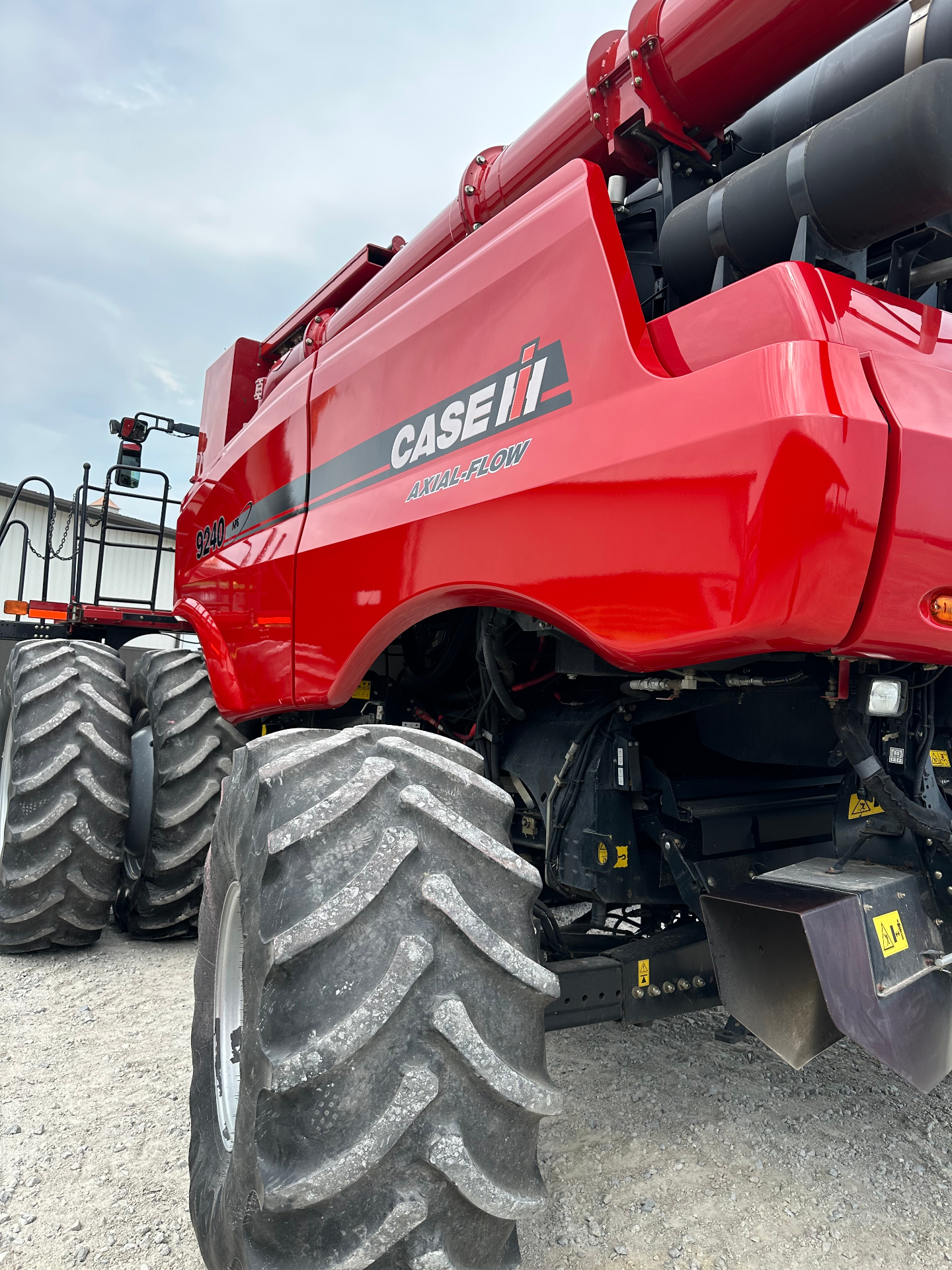
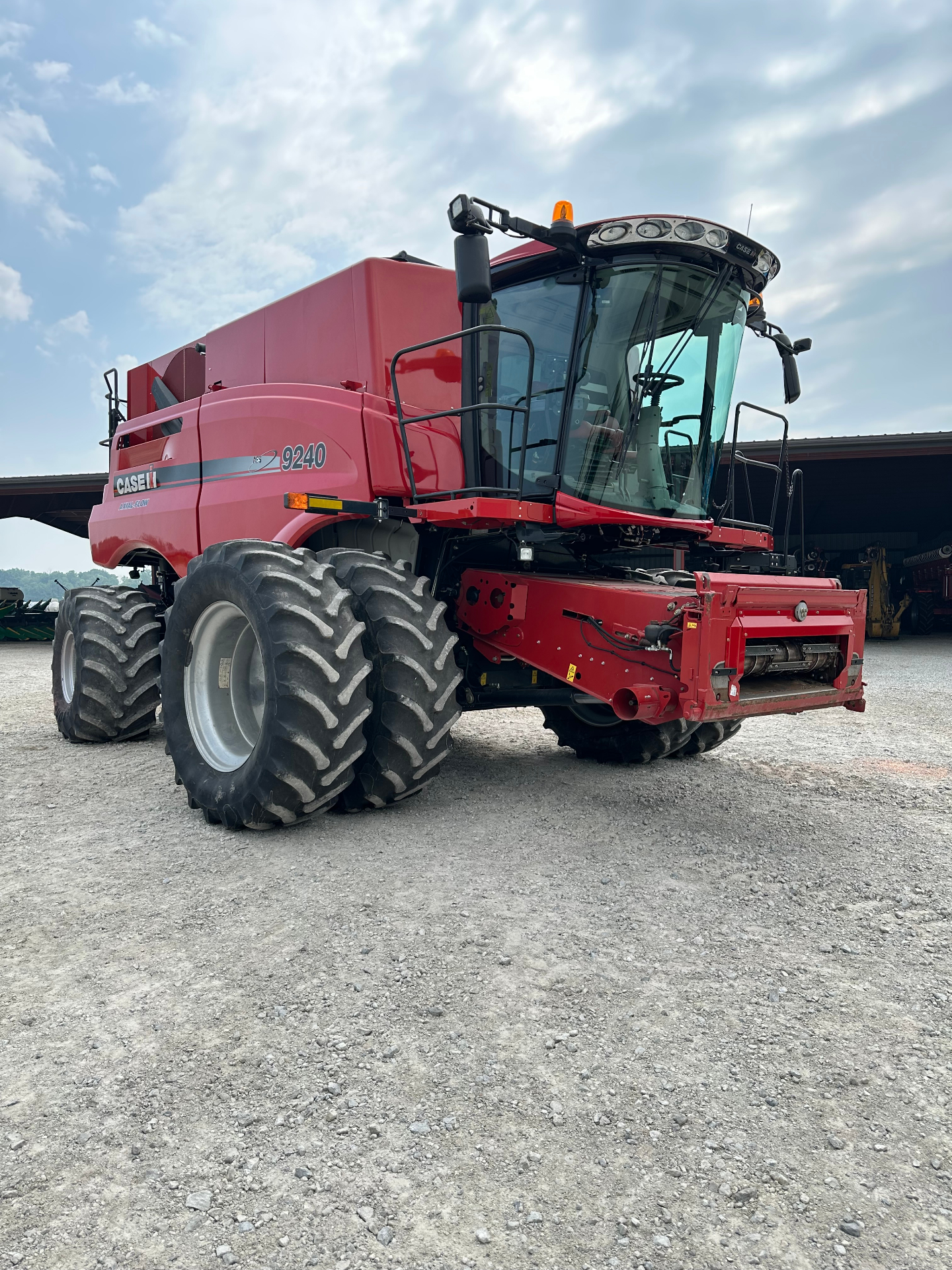
Red, orange, and yellow paint fade fastest. Their pigments are the most vulnerable to UV breakdown, which is why Case IH red, Kubota orange, Massey Ferguson red, and International Harvester red so often turn pink or chalky long before other colors show damage. John Deere green is more UV-stable, but even Deere green loses its depth and richness over time — that vibrant, almost-glowing factory green slowly turns into a flatter, grayer shade as the clear coat oxidizes.
No color is immune. Every tractor sitting under a Missouri sun is aging a little more every day it goes unprotected.
Missouri Is Hard On Equipment
Northern Missouri is one of the more demanding environments in the country for painted equipment. Summers are hot and intense. Humidity is high for months at a time. Storms roll through regularly, hammering equipment with wind, rain, and hail. Spring and fall bring rapid temperature swings, and winter adds freeze-thaw cycles to the mix.
Most tractors in this part of the state — around Gallatin, Trenton, Chillicothe, Cameron, Bethany, and the surrounding farms — live outside. They sit in lots, fence rows, and equipment yards year-round. Even tractors stored under open-sided sheds get hit by blowing rain, humidity, and reflected UV. Equipment stored in climate-controlled buildings holds up dramatically better, but very few working tractors in northern Missouri ever live indoors. The result is faster oxidation, faster fading, and faster paint failure than what owners in milder climates typically see.
The Early Warning Signs Of Paint Failure
Paint failure almost always announces itself before it becomes obvious. The earlier these signs are caught, the easier and less expensive the fix.
Watch for a gradual loss of gloss — the paint reflects light less sharply than it used to. Watch for a chalky residue that comes off on a rag during washing. Watch for decals that look faded or washed out next to the rest of the paint. Run your hand across the hood; if it feels rough or dry instead of smooth and slick, oxidation has started. Notice whether water still beads after a rain — when it sheets out flat, the protective surface is gone. And if the tractor simply looks older than it actually is, that is usually paint damage talking, not the calendar.
What Happens If You Do Nothing?
Paint damage doesn't pause when you ignore it. It accelerates. Mild fading becomes heavy fading. Light oxidation spreads across hoods, roofs, and fuel tanks. The chalky layer thickens. Decals continue to deteriorate. What could have been corrected in a single afternoon of polishing becomes a multi-day restoration. What could have been restored eventually becomes a repaint — and repainting a tractor is a serious investment.
Resale takes the biggest hit. A faded, chalky tractor signals neglect to every buyer, dealer, and auctioneer who walks up to it, even if it was mechanically pampered its whole life. Two machines with the same hours and the same maintenance history will sell for very different numbers when one looks loved and the other looks abandoned. That is real money walking out the door — money that could have been preserved with a fraction of the effort it now takes to recover.
Can Faded Paint Be Saved?
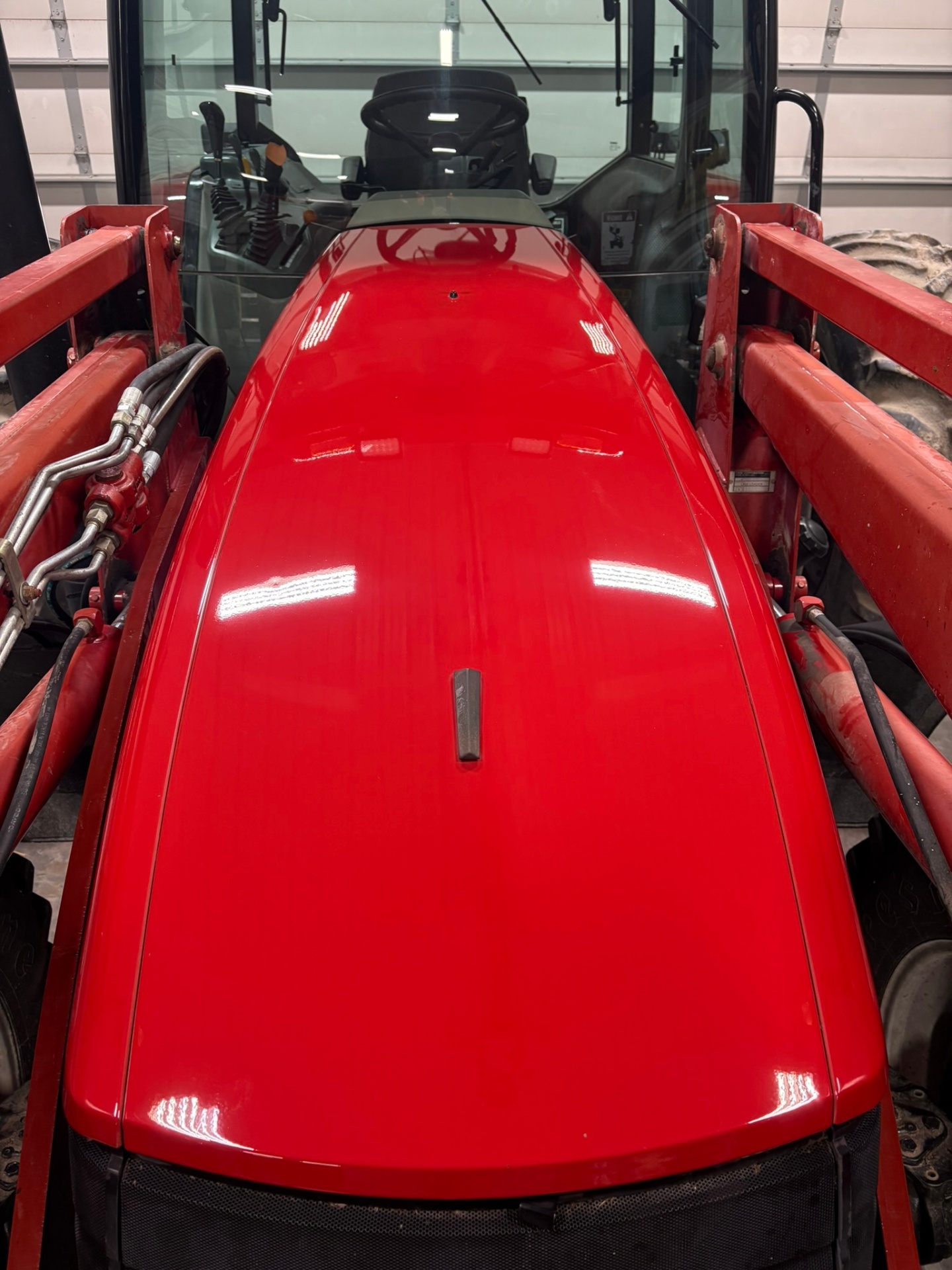
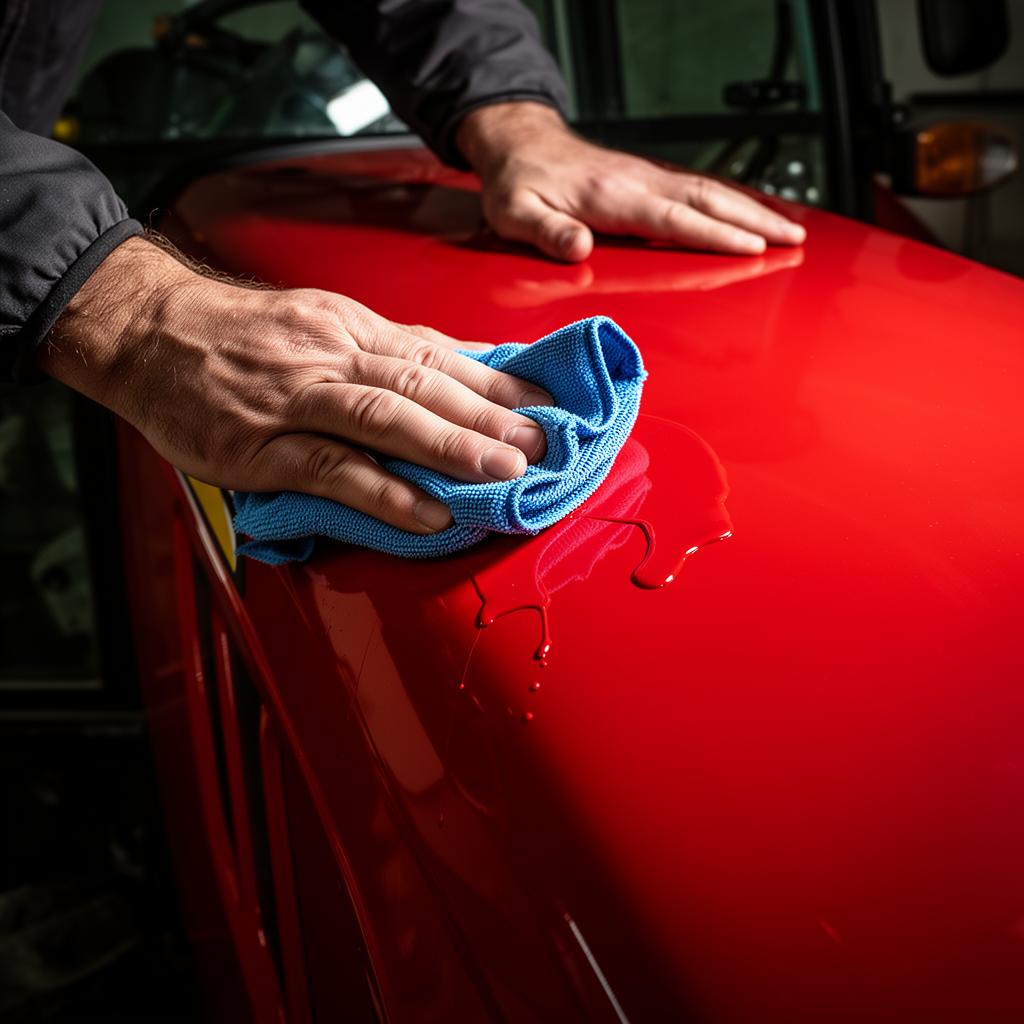
In many cases, yes. A surprising number of tractors that look beyond saving still have healthy paint underneath the oxidized layer. Professional polishing and oxidation removal can cut through the dead surface and expose fresh, glossy paint beneath. Paint correction levels the finish and removes light scratches and swirls along the way.
We go deeper into this in our companion guide, Can Faded Tractor Paint Be Restored?, but the short version is that most owners are pleasantly surprised by what their tractor still has left in it.
The Difference Between Protection And Restoration
Protection and restoration are two different jobs, and confusing them costs people money. Protection means preventing damage before it happens — sealing the paint with a long-term protective layer so UV, oxidation, and contaminants can't reach it. Restoration means correcting damage that has already occurred — cutting away the oxidized surface, polishing the paint back to gloss, and addressing what years of weather have done.
If the paint is still in good shape, protection alone is enough. If oxidation has set in, restoration has to come first, and then protection locks in those results. Skipping restoration and trying to coat over heavy oxidation just preserves the damage.
Why Wax Is Not Enough
Wax has its place, but it was never designed to protect working equipment in Missouri weather. A typical paste or liquid wax lasts weeks, not years. It washes off in heavy rain. It breaks down quickly under UV. It strips off during pressure washing. It offers very little resistance to fertilizer, fuel spills, or chemical exposure.
For a show truck that lives in a garage, wax is fine. For a tractor that lives outside, works in the dust and chemicals, and gets washed with a pressure washer, wax is gone almost as fast as you can apply it. Real long-term protection requires a coating that bonds chemically to the paint and stays there.
What Actually Works?
Effective tractor paint protection is a layered approach. Wash regularly to remove fertilizer residue, chemical overspray, dust, and pollen before they can attack the finish. Store equipment under cover whenever possible — even an open-sided shed makes a noticeable difference compared to fully exposed parking. Stay on top of maintenance: address small issues like decal lift, light oxidation, or chemical staining quickly, before they spread. Then add a professional ceramic coating as the long-term barrier between your paint and everything Missouri throws at it. Each step compounds the others. No single layer does the job alone, but together they dramatically slow the aging process.
How ROAR Ceramic Coatings Help
A ROAR Ceramic Coating is a liquid-applied protective layer that bonds chemically to painted surfaces and cures into a hard, glossy shell. Once cured, the coating — not your paint — takes the abuse from UV, oxidation, and contamination.
Benefits include strong UV resistance, dramatically easier cleaning, hydrophobic water behavior that helps water sheet off instead of sitting on the surface, reduced contamination buildup from dust, pollen, and chemical residue, deeper and more consistent gloss, slower oxidation, and long-term protection measured in years rather than weeks. ROAR coatings were developed for real-world working surfaces, which is why they perform well on tractors, combines, sprayers, grain equipment, utility vehicles, and farm trucks — not just garage queens.
New Tractors vs Older Tractors
The ideal time to coat a tractor is when the paint is still in factory condition. Coating a new tractor locks in that fresh finish and dramatically slows the deterioration clock from day one. There is no oxidation to remove, no correction needed — just decontamination, prep, and coating.
Older tractors can still benefit enormously, but they typically need restoration first. That usually means a thorough wash and decontamination, paint evaluation, oxidation removal, polishing, and then ceramic coating installation. The order matters: bring the paint back as far as it will go, then seal in the results.
Why Farmers Are Choosing Ceramic Coatings
More Missouri farmers are coating their equipment every year, and the reasons are practical. The equipment looks better. Maintenance gets easier — mud, dust, and chemical residue rinse off in a fraction of the time. Pride of ownership goes up when the fleet looks the way it did the day it rolled off the dealer's lot. Long-term protection means less money spent on touch-ups and repaints down the road. And when it's time to trade or sell, the appearance pays off in real dollars.
Why Pro Ag Polishing?
Pro Ag Polishing is based in Gallatin, Missouri and serves farmers throughout northern Missouri. Owner Case Chrisman became a certified ROAR Ceramic Coating installer while still in high school and built the business through his FFA SAE project. The focus is agricultural — tractors, combines, sprayers, grain equipment, UTVs, and farm trucks — not show cars. That focus means real-world experience with the conditions your equipment actually faces, and honest recommendations based on what makes sense for working machines.