Just Because Equipment Looks Old Doesn't Mean It Is
One of the biggest mistakes equipment owners make is assuming faded paint means the equipment is worn out. In reality, many tractors and farm machines that look tired are still mechanically excellent. The engine runs great. The hydraulics perform perfectly. The machine still does everything it was designed to do. The problem is that years of weather exposure have changed the way it looks — paint fades, oxidation develops, decals dull, and the equipment starts looking much older than it really is. Most owners are surprised by how much improvement is possible before repainting is ever on the table.
What Equipment Restoration Actually Means
When people hear restoration they often imagine complete disassembly, sandblasting, and repainting. That isn't what most restoration projects involve. Modern equipment restoration focuses on oxidation removal, paint correction, surface refinement, gloss enhancement, decal revitalization, paint preservation, and long-term protection. The goal is to recover as much appearance as possible from the original factory finish before replacement is ever necessary.
Why Agricultural Equipment Starts Looking Old
Equipment appearance doesn't deteriorate because of age alone — it deteriorates because of exposure. UV radiation breaks down pigments and resins. Humidity drives oxidation. Rain leaves spotting and mineral deposits. Dust scours the clear coat. Fertilizer and herbicide residue etch unprotected surfaces. Chemical contamination from fuel and ag chemicals stains and degrades paint. Outdoor storage keeps every one of those forces in constant contact with the finish. Temperature swings expand and contract the paint, accelerating microcracking. Each factor on its own is manageable. Stacked together over years, they age equipment visually far faster than mechanically.
The Biggest Threat To Equipment Appearance — The Sun
If there is one factor responsible for more paint deterioration than anything else, it's ultraviolet radiation. Over time, UV causes fading, oxidation, loss of gloss, decal deterioration, and surface chalking. Equipment stored outside in northern Missouri sun ages visually far faster than equipment stored under cover. The UV doesn't just lighten the color — it physically breaks down the clear coat and pigments at a molecular level.
What Is Oxidation?
Oxidation is the process of paint breaking down as it reacts with oxygen, UV, moisture, and contamination. Signs include a chalky appearance, rough surface texture, faded color, dull finish, and complete loss of gloss. Many owners assume oxidation means a repaint is required. Often it doesn't. In most cases, oxidation lives on the outer layer of clear coat, with healthy paint still underneath waiting to be revealed through proper restoration.
The Early Warning Signs Of Equipment Deterioration
Paint losing gloss, faded decals, a dull overall appearance, chalky surfaces, rough texture, water no longer beading, and visible color changes are all early signs. Catching deterioration early creates dramatically better restoration outcomes. Once paint progresses past oxidation into clear coat failure, options narrow quickly and costs rise.
What Happens If You Do Nothing?
Deterioration compounds. Oxidation worsens. Fading deepens. The clear coat thins until pigment is exposed directly to UV — at which point restoration becomes harder and repainting becomes more likely. Resale appeal drops. Trade-in values fall. What could have been a straightforward polish-and-coat job turns into a full restoration project — or worse, a repaint. The longer the wait, the more expensive the eventual fix.
Can Equipment Be Restored Without Repainting?
In most cases, yes — and this is where the dramatic transformations happen. Oxidation removal strips the dead, chalky outer layer of clear coat. Compounding levels the surface and removes deeper defects. Polishing refines the finish to a high gloss. Paint correction reveals the healthy color that's been hiding beneath weathered paint for years. Most equipment owners have no idea how much of the original factory finish is still there until they see a restored panel sitting next to an untouched one. The transformation is often shocking.
When Restoration Works Best
Restoration is ideal when the clear coat is still intact, oxidation is moderate, fading is on the surface rather than down to bare pigment, decals are discolored but not completely deteriorated, and the paint is dull rather than failed. Equipment in this condition almost always responds dramatically to professional correction.
When Repainting Is The Better Option
Not every machine is a restoration candidate. When the clear coat has failed completely, when primer is exposed across large areas, when bare metal is visible, when corrosion has set in, or when paint loss is extensive, repainting becomes the more realistic path. A good restoration shop will tell you honestly when repainting makes more sense than restoration — and we do.
Equipment Types We Commonly Restore — Tractors
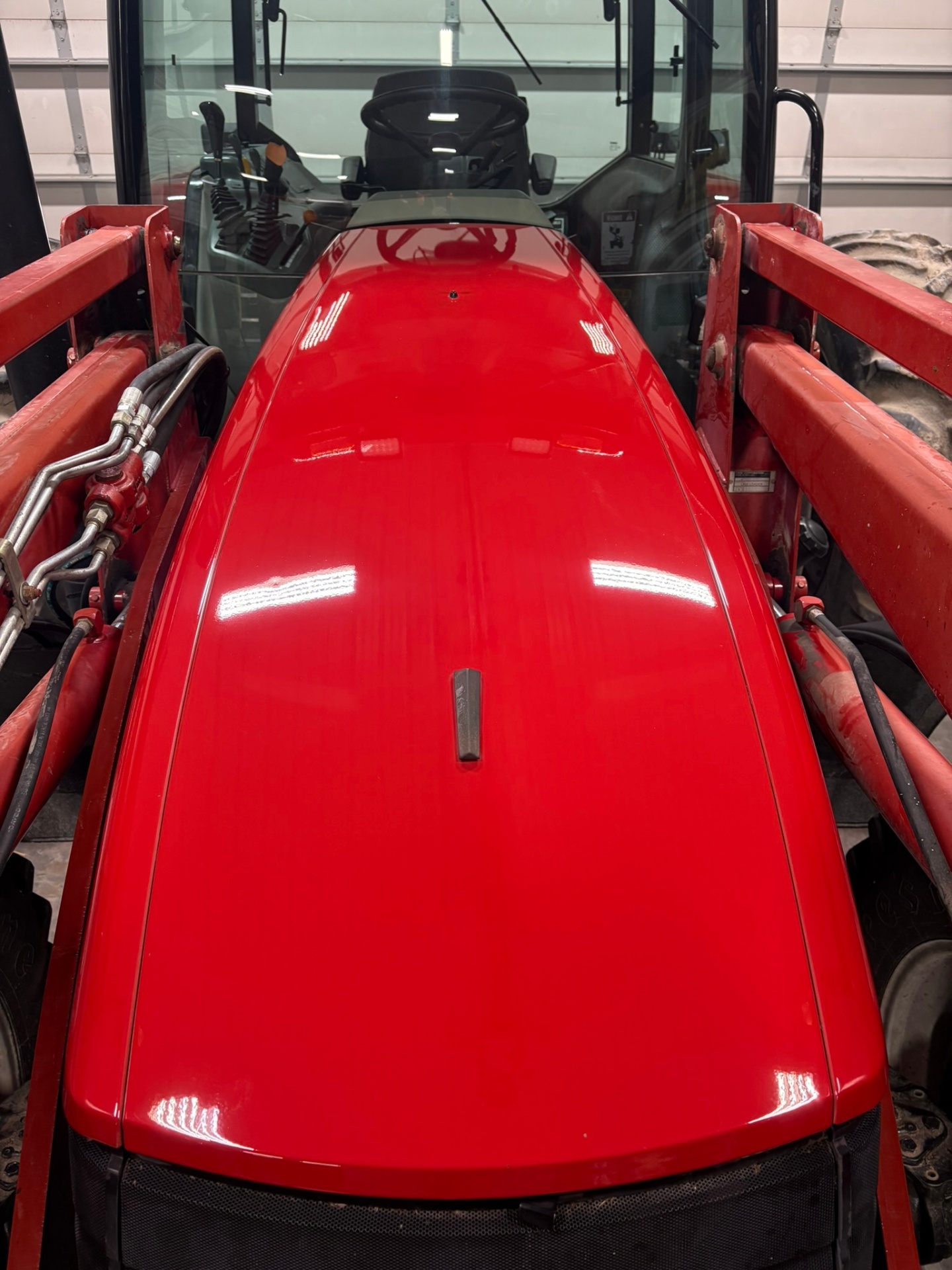
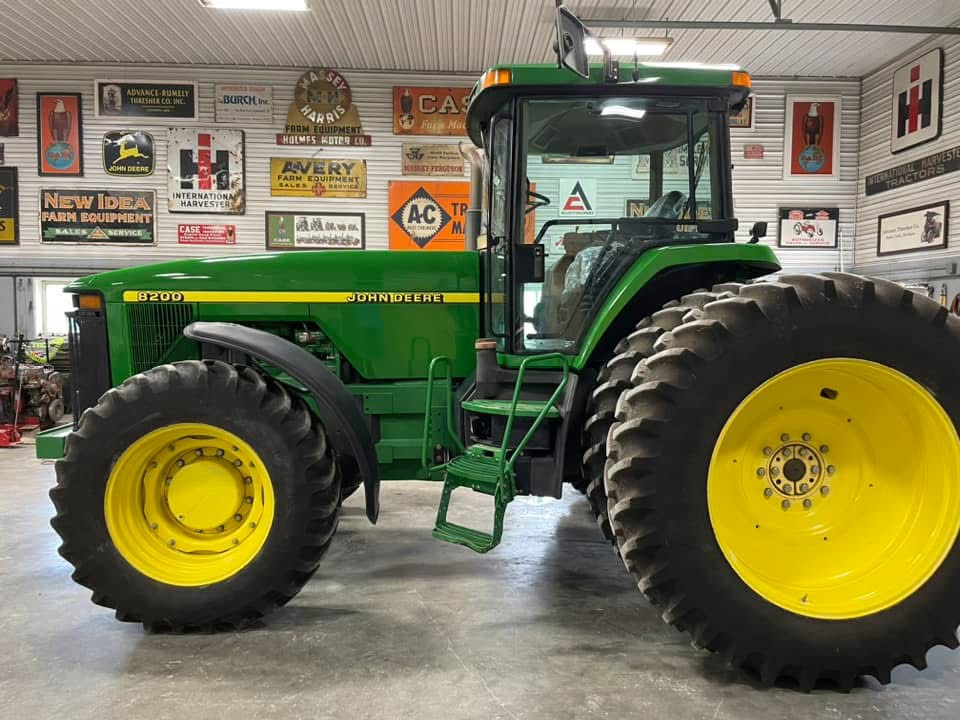
Tractors are the most common restoration project. Hoods, fenders, cabs, and sheet metal panels all respond well to oxidation removal and paint correction. Faded John Deere green, oxidized Case IH red, and washed-out Kubota orange all come back dramatically with proper restoration.
Combines
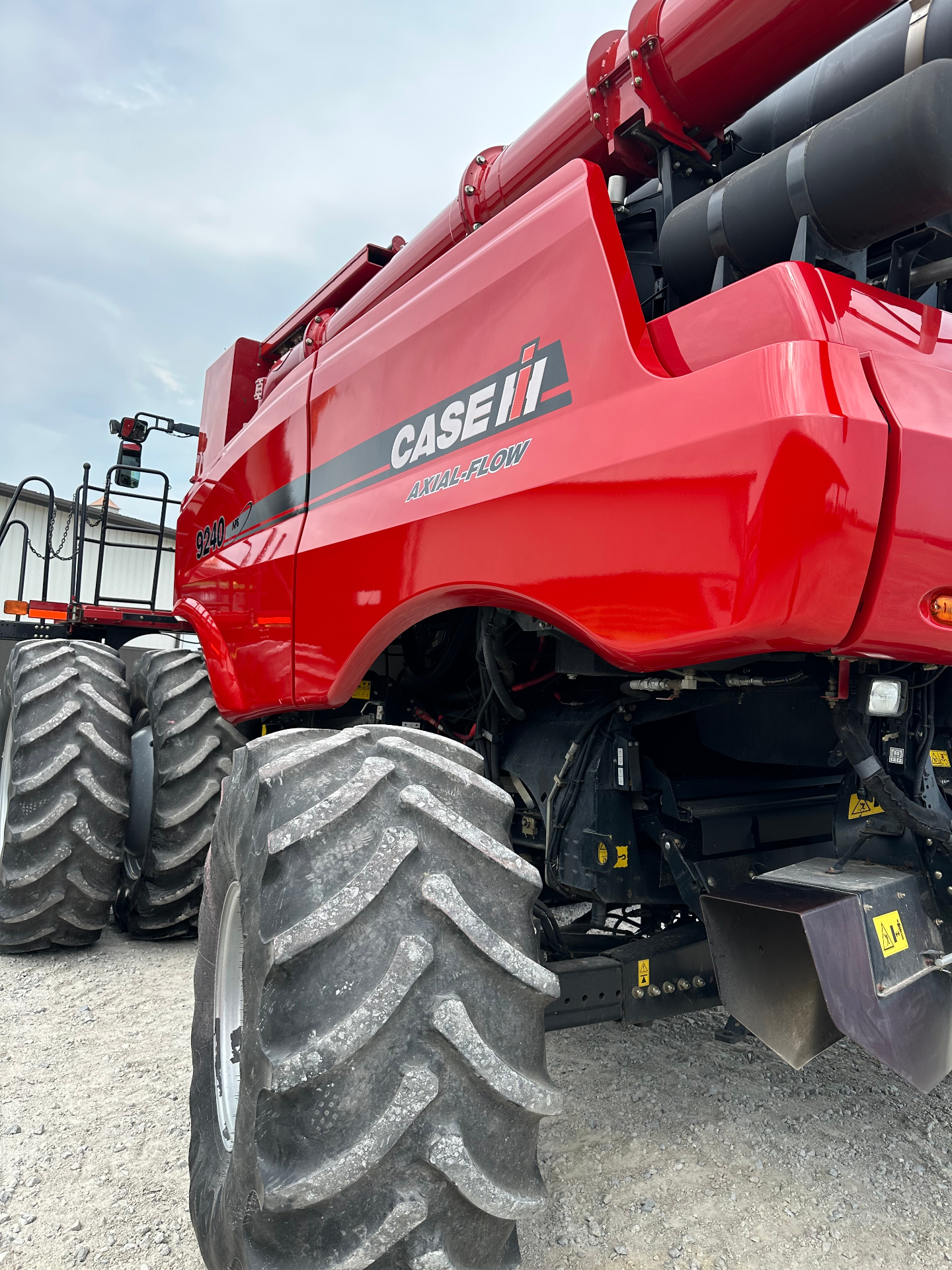
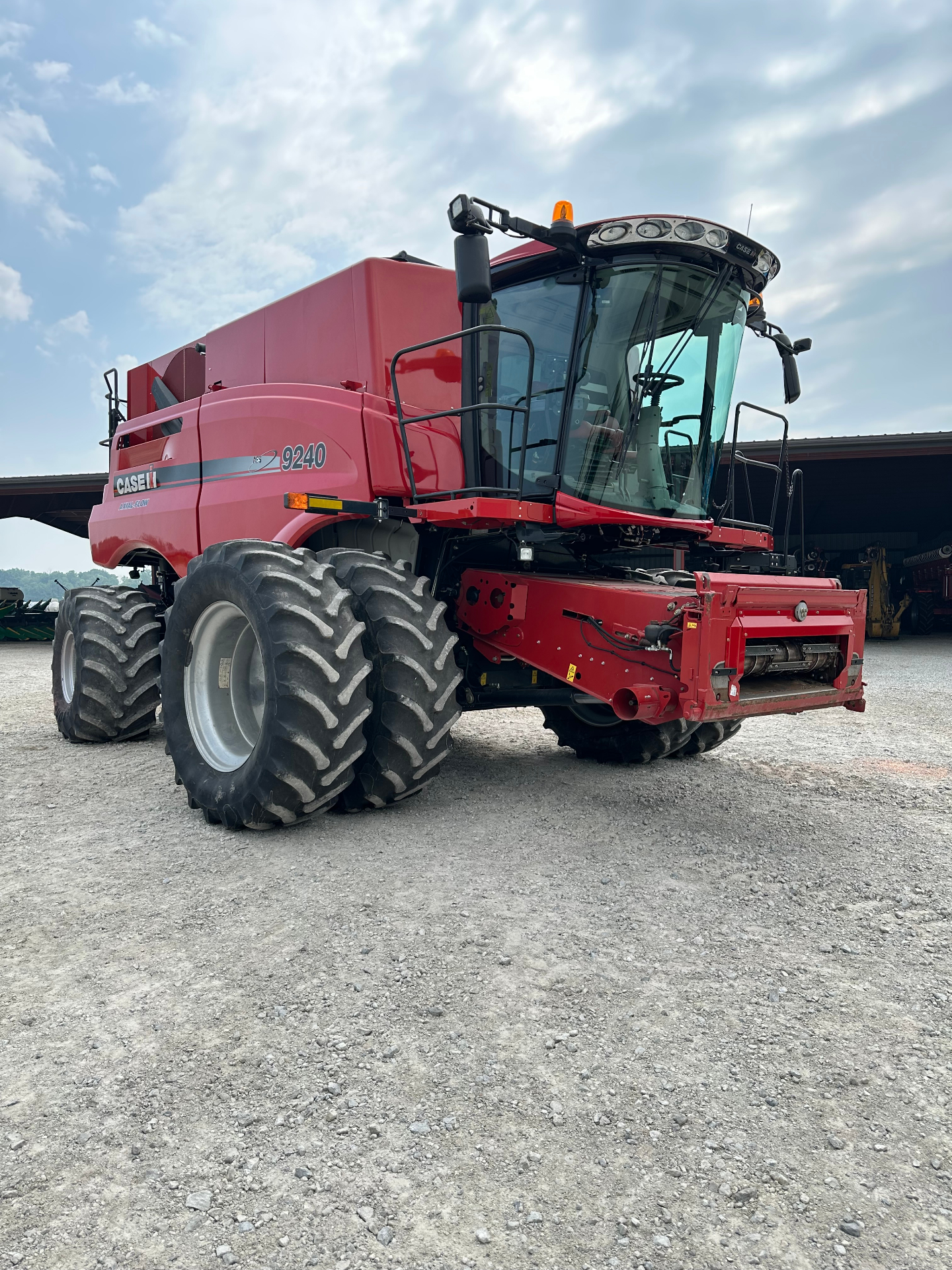
Combines present large painted surfaces that show oxidation more obviously than smaller equipment. Hoods, side panels, and grain tank covers are all prime restoration candidates. Because of the size, the visual transformation on a restored combine is especially dramatic.
Sprayers
Sprayers face the toughest chemical exposure of any equipment. Herbicide, fertilizer, and chemical splash etch unprotected paint quickly. Restoration removes the chemical staining and oxidation, and ceramic coating afterward dramatically reduces future damage from chemical contact.
Grain Carts
Grain carts spend long days in dust and weather. The constant exposure leaves chalky, faded paint that responds well to compounding and polishing. After restoration, ceramic coating helps grain residue and dust release more easily during cleaning.
Utility Vehicles
UTVs and side-by-sides take daily abuse — sun, mud, gravel, and constant outdoor parking. Paint fades quickly on these workhorses. Restoration brings them back, and a ceramic coating keeps them looking sharp through the next several seasons.
Work Trucks
Farm trucks live outside, get washed inconsistently, and carry every type of contamination imaginable. Paint correction restores depth and gloss, and protection afterward extends the result for years.
Trailers
Stock trailers, equipment trailers, and grain trailers are often overlooked. Restored and coated trailers not only look better — they hold up substantially longer against rust, road grime, and chemical exposure.
The Restoration Process — Step 1: Inspection
Every project begins with a thorough inspection. We evaluate clear coat condition, oxidation depth, decal status, and paint thickness. The inspection determines whether the equipment is a restoration candidate or a repaint candidate — and we tell you honestly which one fits.
Step 2: Wash And Decontamination
Before any correction work begins, the equipment is thoroughly washed and decontaminated. This removes loose dirt, grease, chemical residue, and surface contamination that would otherwise interfere with polishing.
Step 3: Oxidation Removal
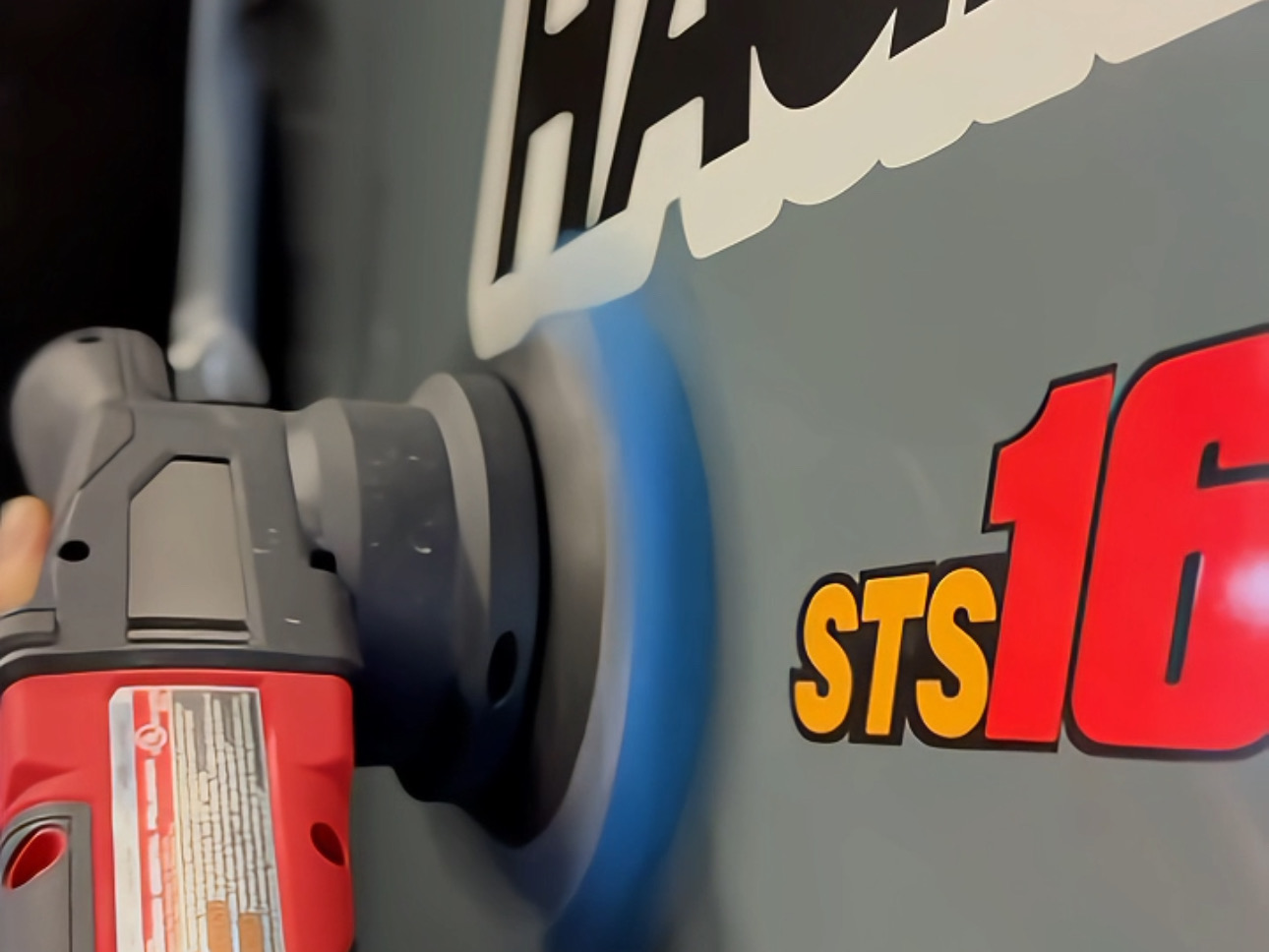
Using professional-grade compounds and machine polishers, we remove the dead, oxidized outer layer of clear coat. This is the step that reveals the healthy paint beneath and produces the most dramatic visual change.
Step 4: Compounding
Compounding levels the paint surface, removes deeper imperfections, and prepares the finish for refinement. It's the heavy-lifting stage of paint correction.
Step 5: Polishing
Polishing refines the surface to high gloss, removing micro-scratches left by compounding and bringing out the depth and clarity of the paint.
Step 6: Final Refinement
A final pass refines the surface, evens out the gloss, and prepares the paint to bond with the ceramic coating. At this stage, the equipment already looks years newer than when it arrived.
Step 7: ROAR Ceramic Coating Protection
Restoration without protection means the same deterioration starts over the next day. ROAR Ceramic Coating chemically bonds to the freshly restored surface and locks in the work — protecting against UV, oxidation, chemicals, and contamination for years to come.
Why Restoration Is Often Better Than Repainting
Restoration preserves the original factory paint, which has been baking on for years and is more durable than most aftermarket repaints. It costs significantly less. It avoids downtime from disassembly and reassembly. Turnaround is faster. And the results — when the equipment is a good candidate — often rival a repaint at a fraction of the cost. Restoration should almost always be explored before repainting is considered.
Protecting Restored Equipment
Restoration is only half the equation. Without protection, the same UV, oxidation, and weather exposure will start deteriorating the paint again immediately. Protection is what makes the restoration last. Skipping it is the single biggest mistake equipment owners make after a restoration project.
How ROAR Ceramic Coatings Help
ROAR Ceramic Coatings are built for agricultural and heavy equipment. Benefits include: ✓ Strong UV protection ✓ Easier cleaning ✓ Reduced oxidation ✓ Long-lasting hydrophobic water behavior ✓ Improved gloss ✓ Multi-year protection ✓ Easier ongoing maintenance. ROAR was engineered for outdoor storage, chemical exposure, and Missouri weather — exactly the conditions agricultural equipment lives in.
Before And After: What Owners Notice Most
Owners consistently mention the same things after a restoration: the color depth comes back, the gloss returns, the decals look sharp again, and there's a real pride of ownership boost from seeing the equipment look its best. Maintenance becomes easier too — coated surfaces wash faster and stay cleaner between wash days. The transformation is as much emotional as it is visual.
Why Farmers Across Missouri Are Restoring Instead Of Replacing
Equipment costs continue to rise. Replacement cycles are lengthening. Equipment shortages have made finding the right used machine harder. In that environment, preserving the equipment you already own is one of the smartest investments available. Restoration and protection cost a fraction of replacement — and keep the equipment you trust on the job for years longer.
Why Pro Ag Polishing?
Based in Gallatin, Missouri, Pro Ag Polishing helps farmers throughout northern Missouri restore and protect tractors, combines, sprayers, utility vehicles, and agricultural equipment. Owner Case Chrisman became a certified ROAR Ceramic Coating installer while still in high school through his award-winning FFA SAE project, and continues helping equipment owners preserve the appearance and value of the equipment they depend on every day.
Get A Free Equipment Assessment
Wondering whether your equipment can be restored? Send photos. We'll review the condition and provide honest recommendations on restoration, polishing, ceramic coating, or repainting. No pressure. No obligation.