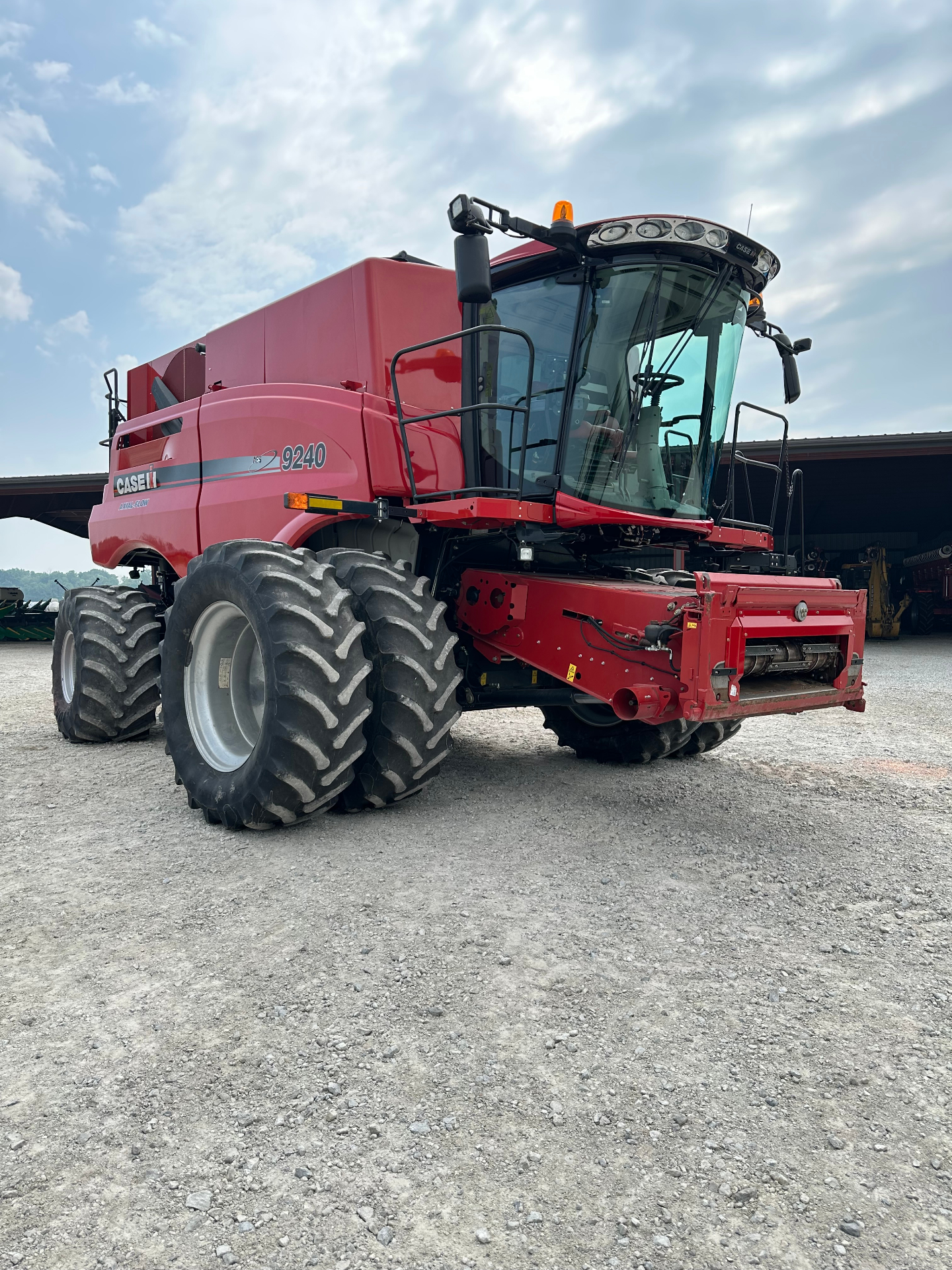
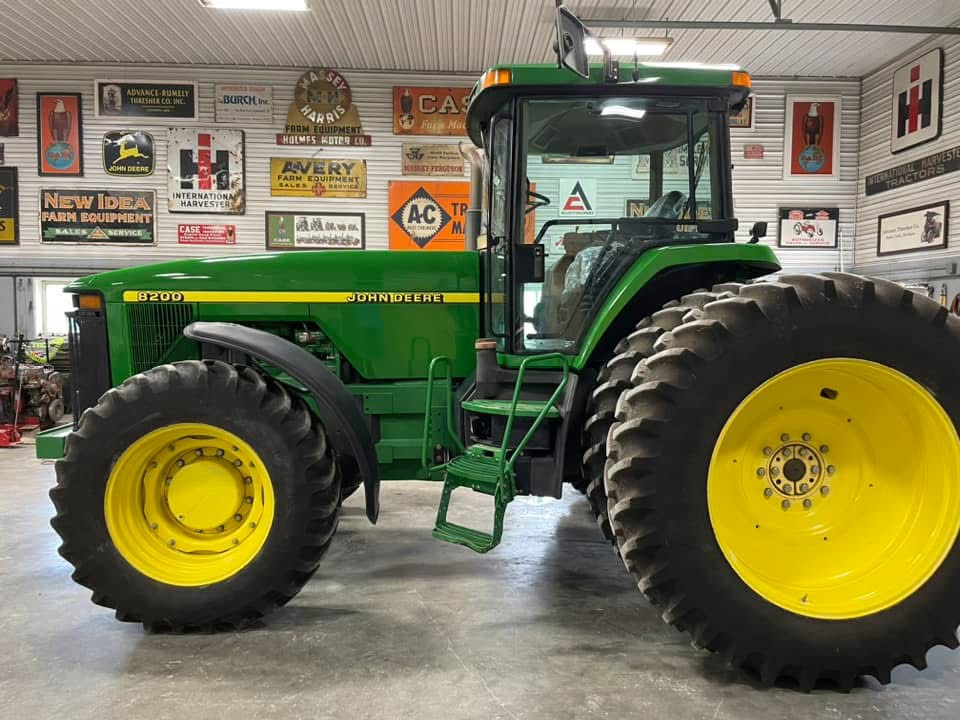
Two Tractors. Same Hours. Different Price.
Imagine two identical tractors. Same year. Same model. Same hours. Same maintenance history.
One has deep glossy paint, bright decals, and looks well cared for.
The other has faded paint, chalky oxidation, dull surfaces, and weathered decals.
Which one attracts more attention? Which one receives stronger offers? Which one do buyers trust more?
This happens every day across Missouri. Buyers often make assumptions before they ever turn the key.
The First Five Seconds Matter
Most buyers begin evaluating a tractor long before they ask about maintenance records. Their first impression comes from paint condition, gloss level, decal condition, cleanliness, oxidation, and overall appearance.
Within seconds they begin forming opinions about how the machine was treated. Fair or unfair, appearance matters. A tractor that looks neglected gets treated like it was neglected — even if the engine was rebuilt and the transmission was overhauled.
Why Buyers Judge Equipment By Appearance
Buyers often believe that clean equipment was maintained better, faded equipment was neglected, glossy paint suggests pride of ownership, oxidation suggests outdoor storage, and good appearance reflects overall care.
These assumptions aren't always accurate, but they are common. A buyer standing in front of two tractors will naturally gravitate toward the one that looks better cared for. That visual confidence often translates directly into a higher offer or a faster sale.
The Hidden Cost Of Paint Deterioration
Most owners understand mechanical depreciation. What many don't realize is that cosmetic deterioration creates additional depreciation.
Paint fading reduces visual appeal and signals age. Oxidation creates a chalky surface that looks neglected. Decal deterioration makes even well-maintained equipment appear older. Chalkiness suggests the tractor sat outside untouched. Surface neglect compounds over time, making restoration more expensive.
These issues don't just hurt pride of ownership — they hurt real money at trade-in and sale time.
What Hurts Tractor Resale Value?
Faded paint makes a tractor look older than it is and suggests sun damage or neglect. Oxidation creates a chalky, dull surface that buyers immediately notice. Chalky surfaces feel rough and look tired, even on mechanically sound machines. Faded decals reduce visual impact and make equipment appear worn. Poor presentation — dirt, grime, and neglect — tells buyers the owner didn't care. Heavy contamination from fertilizer, chemicals, and rust stains creates lasting negative impressions. Sun damage breaks down paint resins and causes irreversible color loss. Outdoor storage accelerates all of the above, compounding deterioration year after year.
What Increases Tractor Resale Value?
Paint restoration removes oxidation and revives gloss, making a tractor look years younger. Regular maintenance — mechanical and cosmetic — shows buyers the equipment was cared for properly. Proper storage under cover slows deterioration and preserves appearance. Cleanliness matters; a clean machine always shows better than a dirty one. Surface protection through ceramic coatings preserves paint condition and makes future maintenance easier. Ceramic coatings specifically help by creating a durable barrier against UV, oxidation, and contamination.
Each of these factors contributes to stronger first impressions and higher perceived value.
Why Paint Condition Matters More Than Hours Sometimes
Hours matter, but they aren't the whole story. Two tractors with similar hours can create very different buyer reactions.
The better-looking tractor attracts more interest, sells faster, and creates more buyer confidence. The psychology behind equipment buying is simple: people want to feel good about what they're purchasing. A glossy, well-presented machine triggers that feeling. A faded, chalky machine triggers doubt — doubt about maintenance, doubt about storage, doubt about overall care.
In competitive markets like auctions and dealer trade-ins, that doubt translates directly into lower numbers.
The Auction Advantage
Equipment auctions, dealer trade-ins, and private sales all reward appearance — but the advantage is especially pronounced in auctions and trade-ins.
At auction, buyers often have limited time to inspect equipment. They can't pull service records or run diagnostics. What they can do is look. A tractor that shines under the auction lights draws more bids. A tractor that looks dull draws skepticism.
At dealership trade-ins, the evaluator walks up with a clipboard and makes snap judgments. Appearance influences the trade number before the conversation even begins. Private sales work the same way — the first thing a prospective buyer sees sets the tone for the entire negotiation.
Can Faded Paint Be Restored Before Selling?
Yes. In many cases, faded paint can be significantly improved through polishing, oxidation removal, and paint correction without requiring a full repaint.
Many tractors that appear dull, chalky, or heavily faded still have healthy paint beneath the oxidized surface. Professional restoration can remove the damaged layer and expose fresh, glossy paint underneath. The results can be dramatic — transforming a tired-looking machine into one that presents like well-kept equipment.
For a deeper look at what's possible, see our companion guide: Can Faded Tractor Paint Be Restored?
The Difference Between Repainting And Restoration
Many owners assume faded paint requires repainting. In reality, restoration and repainting are very different paths with very different costs and outcomes.
Restoration involves polishing, oxidation removal, and paint correction to revive the existing finish. It is typically faster, more affordable, and preserves factory paint. Repainting involves stripping, priming, painting, and clearing the entire surface. It is more expensive, takes longer, and changes the originality of the equipment.
For many tractors, restoration delivers 80% of the visual improvement at a fraction of the cost and time of a repaint. The key is knowing whether the existing paint has enough healthy material left to correct.
Protecting Value Before You Need To Sell
The best time to think about resale value is before you plan to sell. Preventive maintenance, paint protection, and surface preservation all pay off when the time eventually comes.
A tractor that was protected from day one will always present better than one that was neglected and then rushed through a cleanup. Long-term planning means treating appearance as part of the overall investment — not an afterthought. ROAR Ceramic Coatings help lock in that strategy by creating a durable protective layer that preserves paint condition year after year.
How ROAR Ceramic Coatings Help Preserve Value
ROAR Ceramic Coatings provide a long-term protective layer that bonds to painted surfaces and defends against the factors that destroy appearance.
UV protection helps reduce sun damage and fading. Reduced oxidation slows the chalky breakdown of paint surfaces. Easier cleaning means mud, dust, fertilizer residue, and contamination release more quickly. Better appearance maintains gloss and depth over time. Long-term paint preservation keeps the finish looking newer for years.
For working equipment, this protection translates directly into preserved resale value. A coated tractor that still looks glossy after three years will always outperform an uncoated tractor that faded in the same period.
Real-World Example
Consider two tractors heading to auction.
Tractor A was stored outside for five years. The paint faded. The surfaces oxidized. The decals turned dull. It looks like it was abandoned behind a barn.
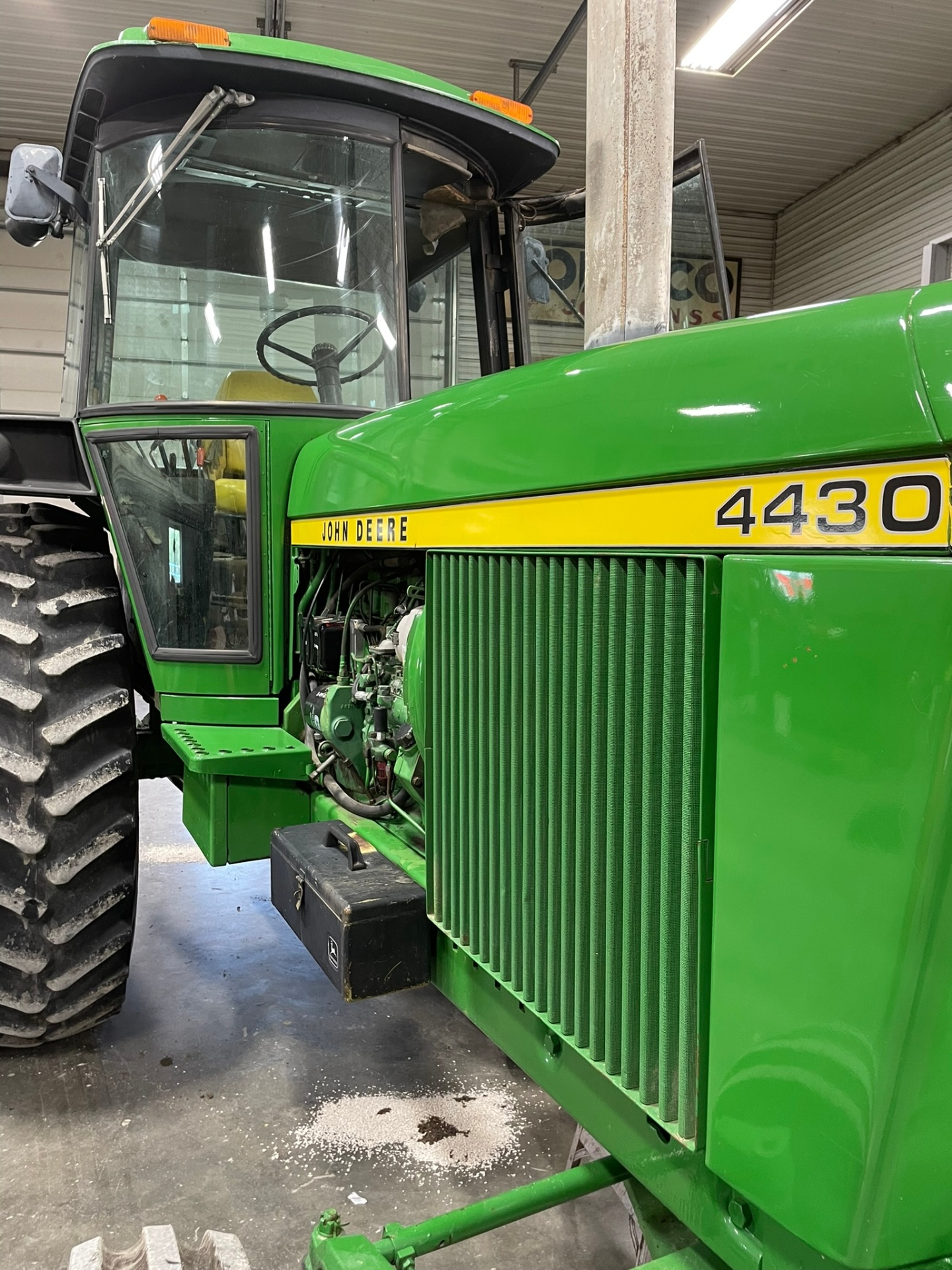
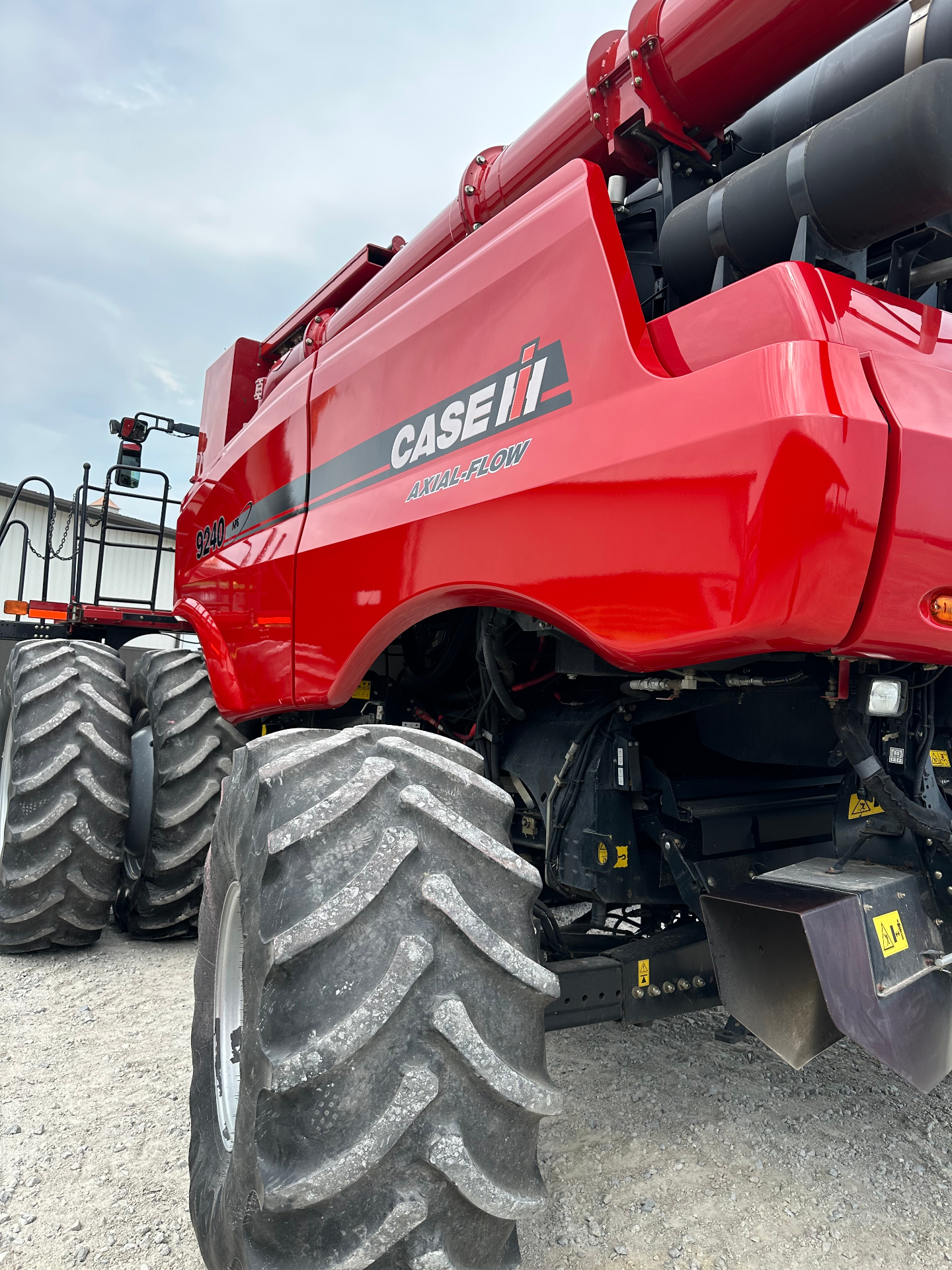
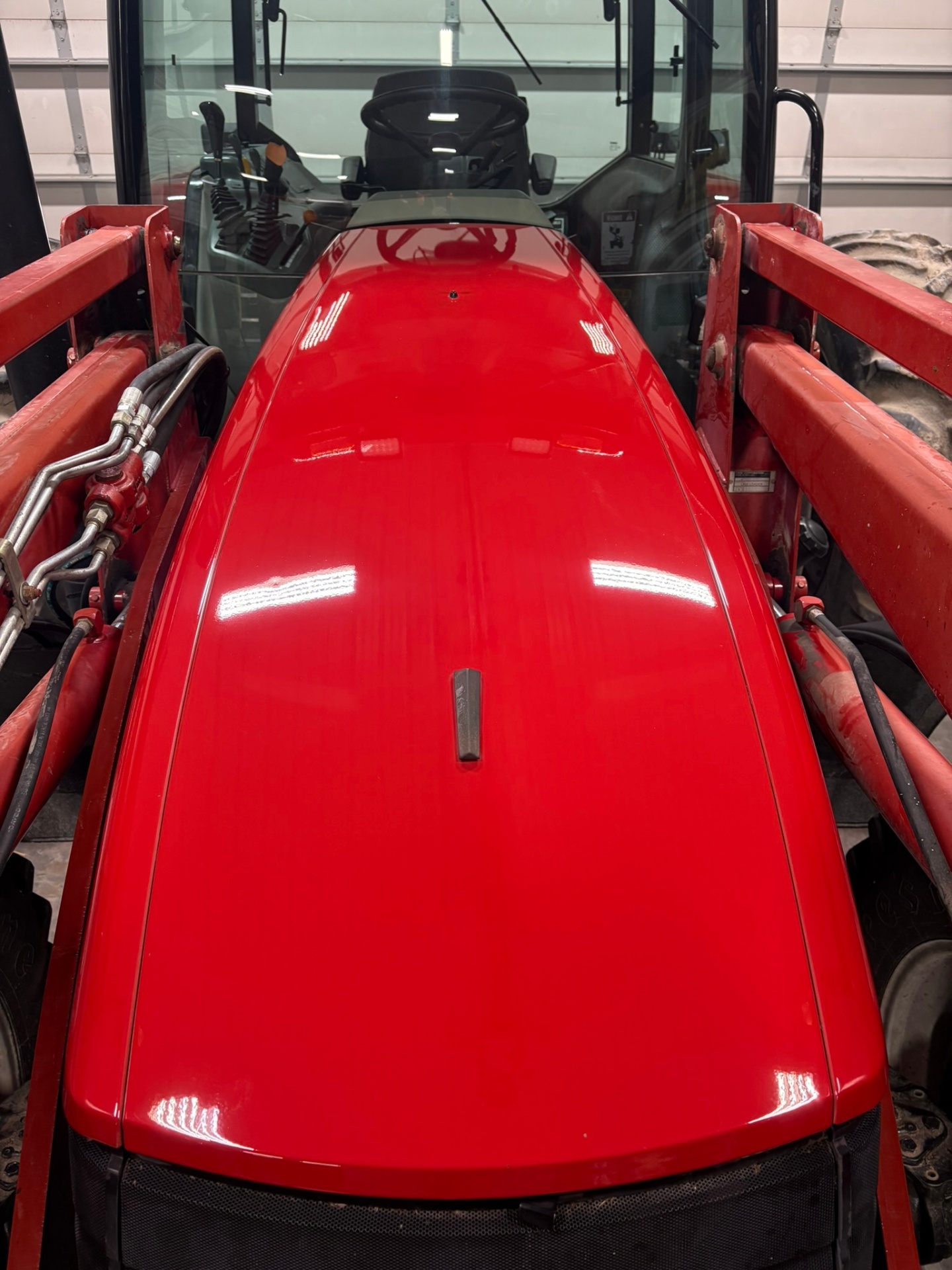
Tractor B was washed regularly, stored under cover when possible, and protected with a ROAR Ceramic Coating. The paint still carries a deep gloss. The surfaces feel smooth. The decals are bright. It looks like it was cared for.
Buyers notice the difference immediately. Tractor B draws more interest, more bids, and more confidence. That gap in buyer perception often translates into hundreds or thousands of dollars in final sale price.
Why Farmers Across Missouri Are Protecting Equipment Earlier
Rising equipment costs, higher replacement prices, and longer ownership cycles have changed how farmers think about protecting their investments.
When a new tractor costs significantly more than it did a decade ago, preserving the value of existing equipment becomes more important. When replacement cycles stretch longer, appearance maintenance matters more over the life of the machine. And when trade-in values help finance the next purchase, every dollar of preserved value counts.
That's why more farmers across Gallatin, Trenton, Chillicothe, Cameron, Bethany, and surrounding communities are investing in paint protection earlier in the ownership cycle — before damage becomes visible and harder to reverse.
Why Pro Ag Polishing?
Based in Gallatin, Missouri, Pro Ag Polishing helps farmers throughout northern Missouri restore and protect tractors, trucks, and agricultural equipment.
Owner Case Chrisman became a certified ROAR Ceramic Coating installer while still in high school and built his business through an award-winning FFA SAE project. Today he helps equipment owners preserve appearance, protect paint, and maintain the value of the equipment they depend on every day.