Why Kubota Owners Notice Paint Fading So Quickly
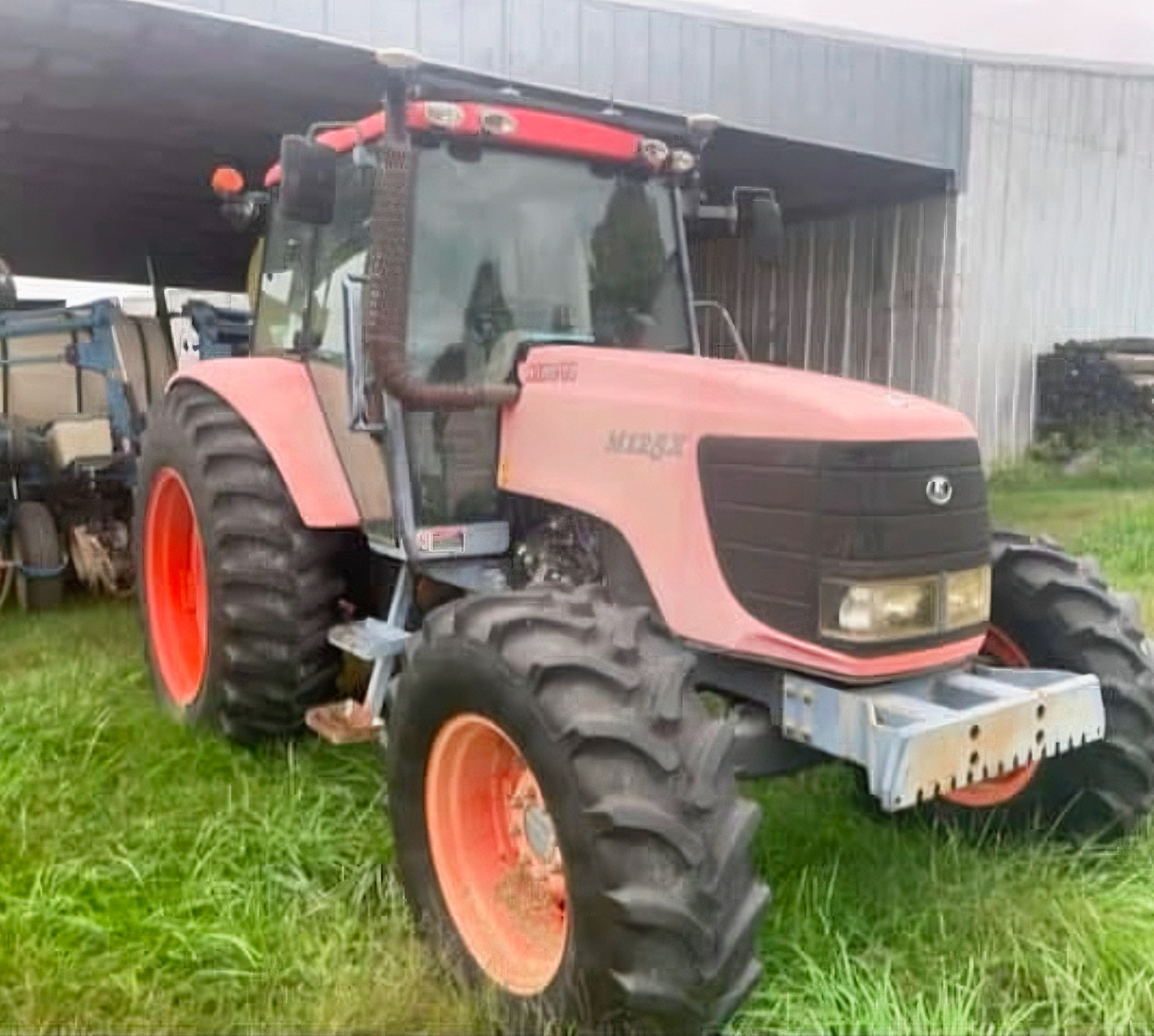
Many Kubota owners use their equipment differently than large row-crop operators. Compact tractors often spend their entire lives outdoors. They mow. They move dirt. They maintain driveways. They clear brush. They work around homes, acreage properties, hobby farms, horse farms, and small agricultural operations. Because these machines are used frequently and stored outside, owners often notice fading much sooner than expected. The tractor still works perfectly. The problem is that the bright Kubota orange no longer looks the way it did when it was delivered.
Why Kubota Paint Fades
Paint fading is not caused by a single issue. It is usually the result of years of environmental exposure. UV exposure breaks down the resins and pigments that give paint its color and gloss. Oxidation occurs when oxygen interacts with the paint surface, creating a chalky, dull layer. Humidity accelerates chemical reactions on painted surfaces and promotes deterioration. Rain introduces contaminants and minerals that can etch or stain paint over time. Dirt accumulation creates abrasive conditions that slowly wear the clear coat. Fertilizer exposure can stain and chemically damage unprotected paint. Outdoor storage means constant, unrelenting exposure to all of these factors. Washing practices matter too — aggressive brushes, harsh detergents, and improper techniques can accelerate wear. Chemical contamination from oils, fuels, and solvents adds another layer of attack. Each of these factors contributes to paint deterioration, and together they create the faded, oxidized appearance that so many Kubota owners recognize.
The Biggest Threat To Kubota Paint
If there is one factor responsible for more Kubota paint damage than anything else, it is ultraviolet radiation. UV exposure slowly breaks down the resins that protect painted surfaces. As those resins deteriorate, gloss disappears. Color loses vibrancy. Paint becomes dull. Oxidation develops. Surfaces become harder to maintain. Because Kubota uses bright orange paint, fading becomes noticeable sooner than many owners expect. Orange pigments are particularly vulnerable to UV breakdown, which means the visual decline can happen rapidly once deterioration begins.
Why Orange Paint Loses Its Vibrancy
Healthy Kubota paint appears bright, rich, glossy, and vibrant. Faded Kubota paint appears dull, flat, chalky, and weathered. This transition occurs through a gradual process of pigment breakdown, oxidation, surface contamination, and UV damage. Pigment breakdown happens when ultraviolet radiation fractures the molecular bonds that hold color in the paint. Oxidation creates a microscopic layer of dead paint on the surface that scatters light instead of reflecting it. Surface contamination from dust, pollen, and environmental fallout bonds to the paint and obscures its natural depth. UV damage compounds over time, breaking down the clear coat that protects the color layer beneath. The result is paint that no longer reflects light the way it once did, producing the familiar dull, chalky appearance that signals deterioration.
Missouri Weather And Kubota Equipment
Northern Missouri presents specific challenges for painted equipment. Summer heat brings intense UV radiation that accelerates paint breakdown. High humidity creates conditions where moisture interacts with painted surfaces for extended periods, promoting oxidation and contamination bonding. Rain and storms introduce acid rain, minerals, and airborne contaminants. Seasonal weather changes subject equipment to freeze-thaw cycles that stress paint and clear coat. Outdoor storage is common for compact tractors and utility vehicles that are used almost daily, meaning exposure never truly stops. Equipment owners near Gallatin, Trenton, Chillicothe, Bethany, Cameron, and throughout northern Missouri face these conditions year-round. Without protection, Missouri weather accelerates fading and oxidation on Kubota equipment faster than many owners realize.
The Early Warning Signs Of Kubota Paint Damage
Recognizing paint damage early makes restoration easier, less expensive, and more effective. Watch for reduced gloss — surfaces that no longer shine the way they once did. Faded orange paint that looks less vibrant or more yellow than when new. Oxidation appearing as a chalky residue on the surface. Rough texture when you run your hand across the hood or fenders. Chalky residue that comes off on a clean cloth. Decal fading where graphics and logos begin to lose color. Water no longer beading — when rain or wash water stops forming tight beads, the protective layer has deteriorated. Addressing these issues early prevents deeper damage and preserves more of the original finish.
What Happens If You Ignore Fading?
Ignoring early paint damage leads to a cascade of worsening problems. Continued fading means deeper color loss that becomes harder to reverse. Oxidation penetrates further into the paint layers, making restoration more aggressive and more expensive. Surface deterioration creates rough, porous paint that bonds contamination more readily. More difficult restoration is required as damage compounds over time. Reduced appearance hurts pride of ownership and how your property presents to visitors and neighbors. Reduced resale appeal means lower offers when it is time to sell or trade. Fading never fixes itself. What starts as minor surface dullness can evolve into major paint deterioration if left unaddressed.
Can Faded Kubota Paint Be Restored?
Many faded Kubota tractors can be dramatically improved without repainting. The restoration process typically involves oxidation removal to eliminate the damaged surface layer. Paint correction addresses swirl marks, scratches, and imperfections. Polishing revives gloss and color depth. Surface restoration prepares the finish for long-term protection. The key factor is whether the clear coat is still intact. When it is, professional polishing can often uncover vibrant orange paint that looked lost beneath years of oxidation. For a deeper look at the restoration process, see our guide: Can Faded Tractor Paint Be Restored?
Compact Tractors Face Unique Challenges
Compact tractors face protection challenges that differ from larger row-crop machines. Constant outdoor storage is the norm — many compact tractors live beside barns, in driveways, or near shops with no cover at all. Residential use means working close to homes where appearance matters even more. Frequent mowing keeps tractors in grassy, dusty, and debris-filled environments. Landscaping work exposes paint to branches, gravel, and abrasive materials. Loader work involves dirt, rocks, and material handling that can scratch and contaminate surfaces. Property maintenance tasks put tractors in constant contact with weather, vegetation, and soil. All of this adds up to compact tractors seeing more constant environmental exposure than many owners realize.
Why Wax Is Not Enough
Traditional wax has been the go-to protection for generations, but it has serious limitations for working Kubota equipment. Wax offers minimal UV resistance and breaks down quickly under sun exposure. It lasts only weeks to months under normal outdoor conditions. Durability is poor against fertilizer, chemical exposure, and abrasion. Protection levels are surface-level and temporary. ROAR Ceramic Coatings, by comparison, provide substantial UV resistance that shields paint from radiation damage. They last for years instead of weeks. They withstand chemical exposure, fertilizer residue, and harsh washing. They create a harder, more durable protective layer that holds up on equipment that works every day. For Kubota tractors that live outdoors and work hard, ceramic coatings provide the level of protection that wax simply cannot match.
How ROAR Ceramic Coatings Help
A professionally installed ROAR Ceramic Coating provides comprehensive protection for Kubota equipment. UV Protection reduces the radiation that breaks down paint resins and pigments. Easier Cleaning means dirt, dust, mud, grass clippings, and contamination release more readily from the slick coated surface. Improved Gloss creates deeper, richer orange color that looks vibrant in any light. Reduced Oxidation slows the surface breakdown that causes chalking and fading. Decal Protection helps preserve logos, striping, and graphics from UV and weather damage. Better Water Behavior causes rain and wash water to bead and sheet off rather than sitting on the surface. Long-Term Surface Protection means years of durability instead of weeks. Easier Maintenance reduces the time and effort required to keep equipment looking its best.
Kubota Compact Tractors
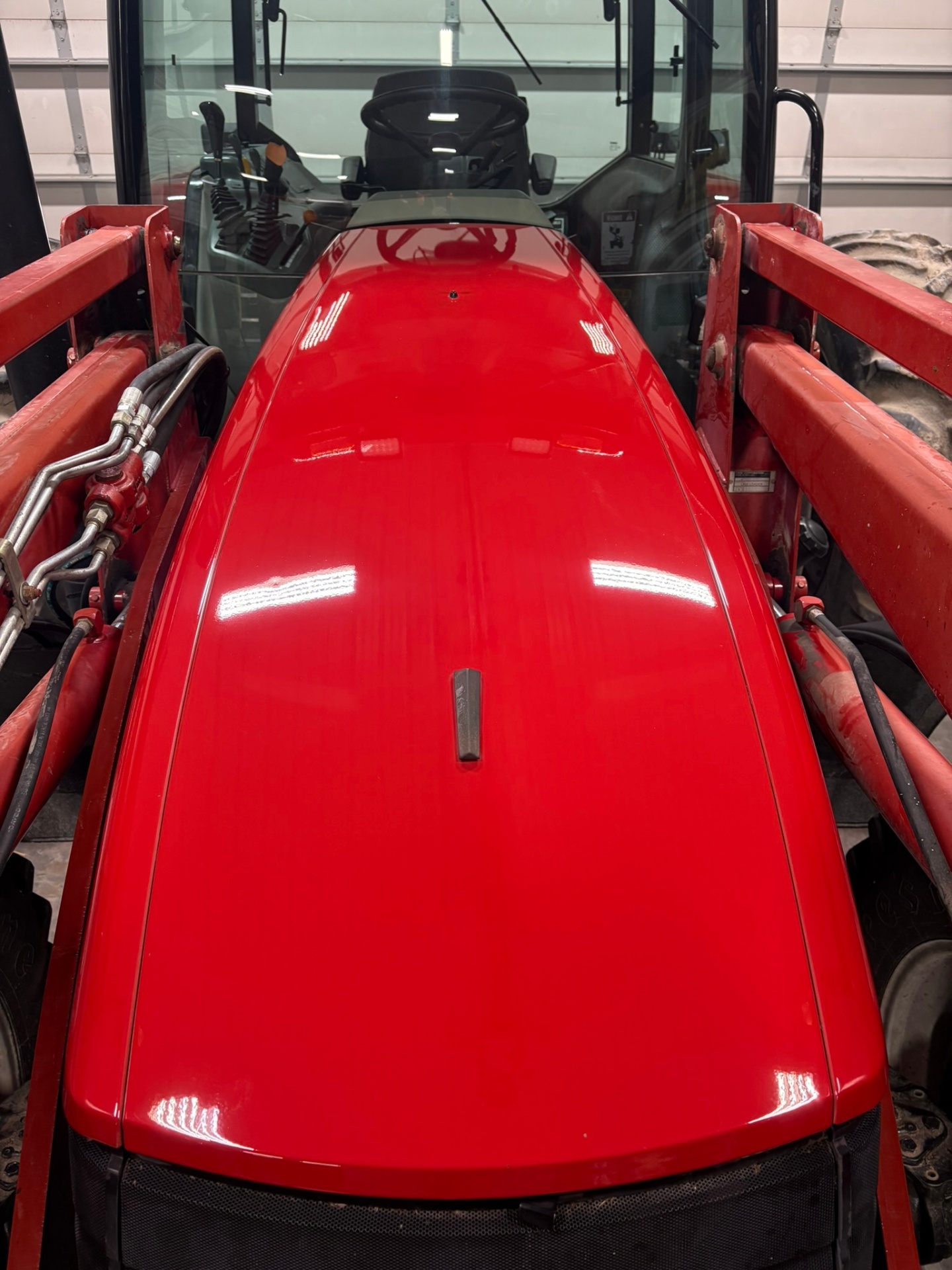
Kubota compact tractors are the backbone of small farms, acreage properties, and landscaping operations. BX, B, L, and MX series tractors spend countless hours mowing, tilling, loading, and clearing under direct sun. Hoods, fenders, and loader arms see the most exposure. A ceramic coating helps preserve the factory finish on new tractors and protects restored finishes on older machines. Whether your compact tractor is a year old or a decade old, protection helps maintain the bright orange appearance that makes Kubota equipment instantly recognizable.
Kubota Utility Vehicles
Kubota RTV and side-by-side utility vehicles face some of the harshest exposure of any equipment on the property. They navigate mud, dust, gravel, brush, and weather with no protection from the elements. Body panels, beds, and hoods accumulate contamination that bonds aggressively to unprotected paint. A ROAR Ceramic Coating helps reduce buildup, makes cleaning dramatically easier, and preserves the orange finish through demanding conditions.
Kubota Mowers
Kubota zero-turn and riding mowers operate in dusty, grassy, debris-filled environments for hours at a time. Grass clippings, pollen, sap, and dust coat every surface. Decks, spindles, and body panels see constant abuse. Because mowers often store outdoors between uses, paint deterioration accelerates. A ceramic coating creates a slick surface where contamination releases more easily and provides UV protection that preserves the finish through long mowing seasons.
Kubota Loaders
Kubota loaders and loader attachments are in constant contact with dirt, rocks, gravel, and abrasive materials. Loader arms, buckets, and frames see both mechanical wear and environmental exposure. Paint on loader components often deteriorates faster than on tractor bodies because of the physical contact and vibration. A ceramic coating adds a protective layer that helps defend against the contamination and abrasion that loaders encounter daily.
New Kubota Equipment vs Older Kubota Equipment
Protection strategies differ depending on equipment age. New equipment benefits from protecting factory paint before deterioration begins. The clear coat is intact, the color is vibrant, and the surface is smooth. This is the ideal time to apply a ceramic coating because the paint is already in peak condition. Older equipment often requires restoration first. Oxidation removal, paint correction, and polishing bring the finish back to life before locking in the results with a ceramic coating. Both approaches are valid. The key is matching the right process to the current condition of the equipment.
Why Appearance Matters
Working equipment does not need to look showroom fresh to perform well. However, appearance still matters for several important reasons. Pride of ownership means operating equipment you feel good about every day. Property appearance reflects on your home, farm, or business when visitors, customers, and neighbors see your equipment. Equipment presentation affects how you feel about the machinery you rely on. Resale value is directly impacted by paint condition when it comes time to sell or trade. Trade-in value is often set partly on visual assessment at the dealership. Well-maintained paint signals that the entire machine was cared for. Many Kubota owners take tremendous pride in maintaining their equipment, and appearance is a big part of that satisfaction.
Why Kubota Owners Are Choosing Ceramic Coatings
More Kubota owners are investing in ceramic coatings than ever before. The reasons are clear. Easier cleaning means less time scrubbing and more time working. Better appearance keeps equipment looking the way it did when it was delivered. Reduced maintenance means coated surfaces stay cleaner longer and wash faster. Long-term protection preserves the investment for years instead of weeks. Preservation of investment matters as equipment costs rise and replacement cycles stretch longer. A ceramic coating is a relatively small investment compared to the value of the equipment it protects, and it pays dividends every time the machine looks better, cleans easier, and maintains stronger resale appeal.
Decal And Graphics Protection
Kubota decals, logos, and graphics are a signature part of the brand identity. Unfortunately, decals often fade and deteriorate faster than paint because they sit on top of the surface with less UV protection. A ceramic coating helps extend decal life by providing a protective layer over the graphics. It reduces UV penetration that causes fading. It makes cleaning gentler by creating a slick surface where contamination releases more easily. It protects against the edge peeling that often starts when dirt works under decal corners. Preserving decals is part of preserving the complete Kubota appearance.
Why Pro Ag Polishing?
Based in Gallatin, Missouri, Pro Ag Polishing helps equipment owners throughout northern Missouri restore and protect tractors, utility vehicles, mowers, and agricultural equipment. Owner Case Chrisman became a certified ROAR Ceramic Coating installer while still in high school through his FFA SAE project and continues helping equipment owners preserve the appearance of the equipment they depend on every day. We understand Kubota equipment and the conditions it faces because we live and work in the same communities you do. We know what Missouri weather does to paint. We know how hard working equipment is used. And we know what it takes to protect it.